Now Reading: 7,000-year-old burial mounds found in France
-
01
7,000-year-old burial mounds found in France



Archaeologists have found evidence of 7,000-year-old burial mounds at the Coëby Neolithic cemetery in Brittany, France. Using electrical surveys, researchers Philippe Gouézin and Vivien Mathé detected stone chambers and standing stones, some…
The Story in Brief
Archaeologists have found evidence of 7,000-year-old burial mounds at the Coëby Neolithic cemetery in Brittany, France. Using electrical surveys, researchers Philippe Gouézin and Vivien Mathé detected stone chambers and standing stones, some shaped like humans, beneath two large earth mounds. The study in 'Archaeological Prospection' suggests these are Passy-type barrows, a burial tradition known in northern France but new to this western region.
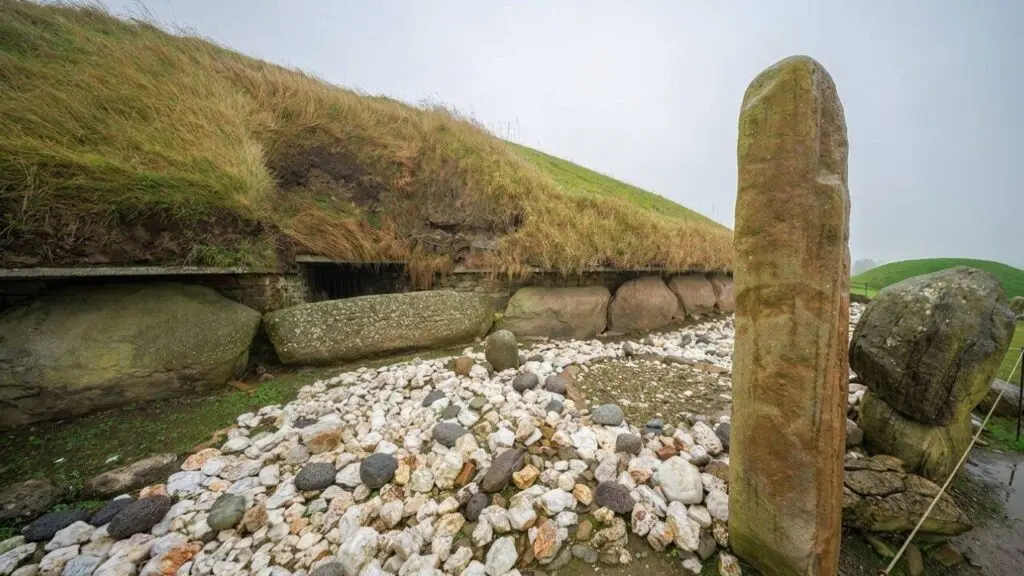
The mounds, discovered in 1986, were thought to be natural, but the surveys reveal deliberate construction. Times of India reports that if confirmed, the find would extend the known range of Passy-type monuments, showing Neolithic burial practices spread further than previously known.
The Indian Opinion
Much coverage treats this as a settled discovery, but Gouézin and Mathé themselves say it is not confirmed, excavation is needed. One lazy narrative is that 'mysterious standing stones' were clearly symbolic; in truth, their purpose is unknown. Another is that this rewrites Neolithic history, yet it only hints at a western extension. The real test will be digging: does anyone find actual human remains or Passy-style artefacts? Until then, this is a promising lead, not a story.
Source: timesofindia.indiatimes.com
This story was synthesised by AI from the source linked above.