















Now Reading: AI designs 16 new phages to fight drug-resistant bacteria
-
01
AI designs 16 new phages to fight drug-resistant bacteria


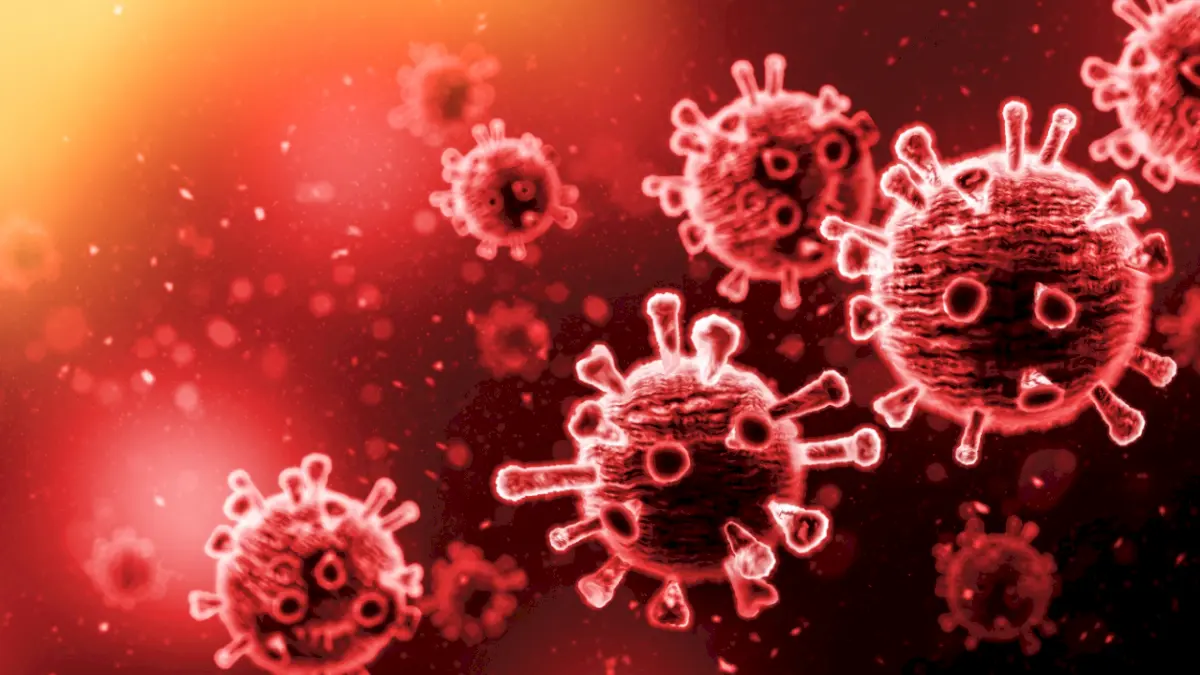
Researchers at Stanford University and the Arc Institute have used AI to create 16 new bacteriophages that can infect drug-resistant E. coli bacteria, marking what they call a breakthrough in synthetic biology.…
The Story in Brief
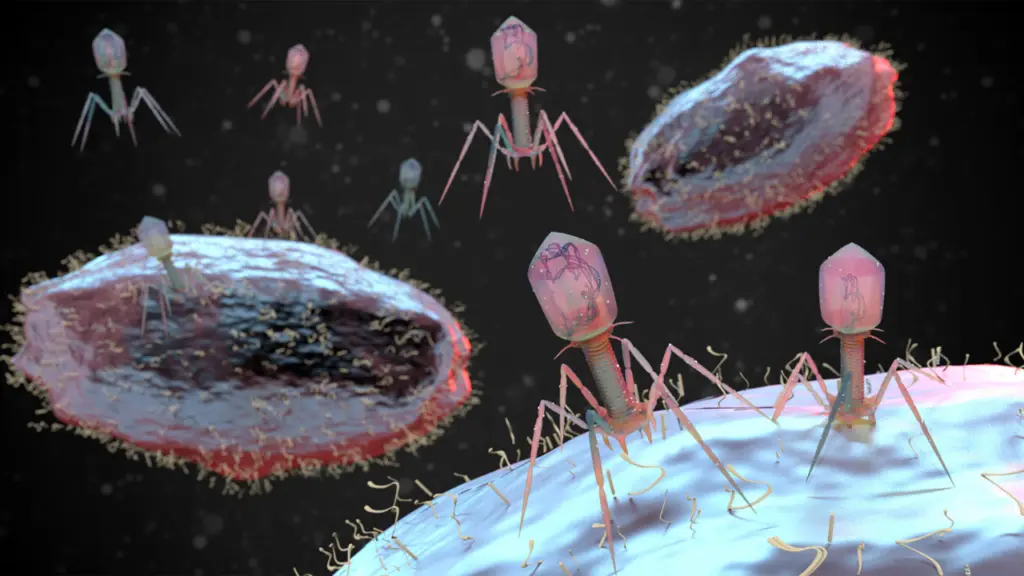
Researchers at Stanford University and the Arc Institute have used AI to create 16 new bacteriophages that can infect drug-resistant E. coli bacteria, marking what they call a breakthrough in synthetic biology. The study, published in Science and reported by The Hindu, saw scientists use genome language models Evo 1 and Evo 2 to generate thousands of designs. Only 16 of nearly 300 synthesised sequences produced functional viruses. These phages are not human viruses and cannot infect people, but they offer hope in the fight against antibiotic resistance. Timesnownews reports that researchers were able to overcome resistance in lab tests using a cocktail of the AI-designed phages. However, experts warn that the same technology could eventually be used to engineer harmful pathogens, raising biosecurity concerns.

The Indian Opinion
Many reports frame this either as a miracle cure for superbugs or as a terrifying step toward designer pathogens. The truth is more measured: these phages are only tested in petri dishes, not in humans, and 95% of AI designs failed. The real story is the pace of AI outpacing regulation. The question India and the world must answer is not whether we can design viruses, but whether we have the safeguards to ensure they are used only for good. The test will come when the first AI-designed therapy enters clinical trials.
Sources (2): timesnownews.com, thehindu.com
This story was synthesised by AI from the 2 sources linked above.
Updated: this story now draws on 2 sources.