












Now Reading: Air India pilot tests positive for marijuana after altitude drop
-
01
Air India pilot tests positive for marijuana after altitude drop


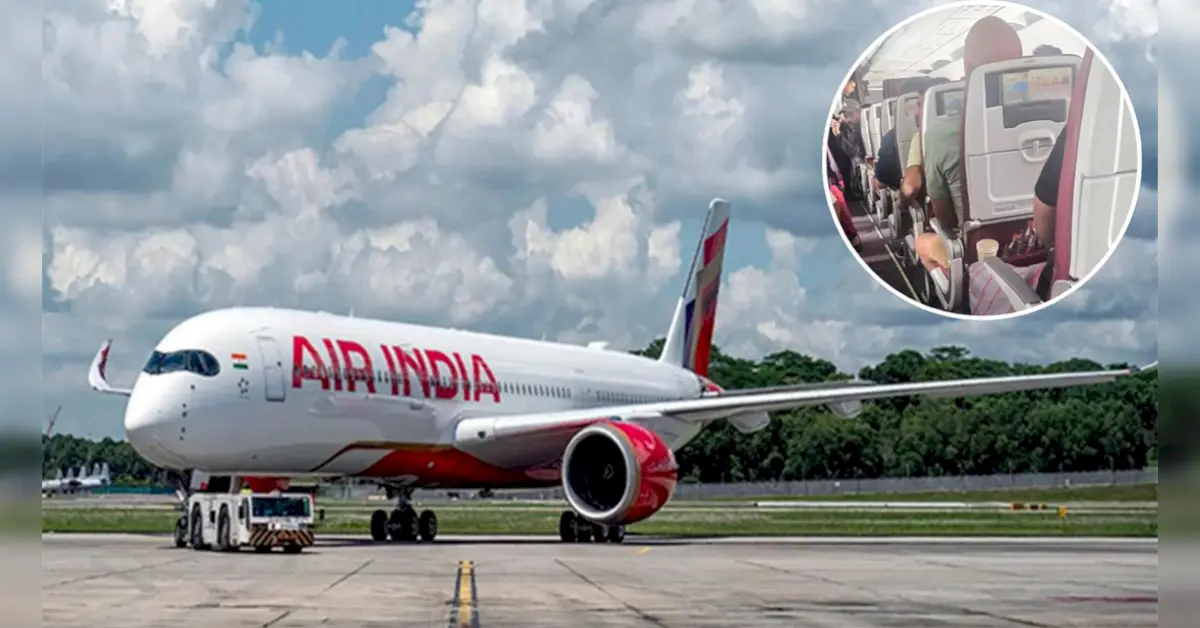
The pilot-in-command of the Air India Phuket-Delhi flight that lost 300 feet of altitude on August 4 has tested positive for marijuana in a confirmatory drug test. The pilot told investigators from…
The Story in Brief
The pilot-in-command of the Air India Phuket-Delhi flight that lost 300 feet of altitude on August 4 has tested positive for marijuana in a confirmatory drug test. The pilot told investigators from the Aircraft Accident Investigation Bureau (AAIB) that he had been experiencing sleep difficulties and was taking prescribed medication from a family doctor. The disclosure was reported by Hindustan Times and confirmed by Economic Times. The Directorate General of Civil Aviation (DGCA) initially handled the case before classifying it as a serious incident and referring it to the AAIB.

The flight, an Airbus A320neo carrying 137 passengers and 6 crew, suddenly lost altitude while cruising. The Press Information Bureau later stated 20 passengers and 4 cabin crew members were injured. Both pilots have been taken off flying duties. Air India said it is cooperating with the investigation. The AAIB has urged caution against drawing premature conclusions and is examining all technical, operational and human-factor evidence.

The Indian Opinion
Two lazy narratives are already forming. One is that the pilot's sleep medication explains away the positive test, but aviation medicine specialists point out that prescribed sleep drugs do not produce THC. The other is that the regulator was caught napping, yet the post-flight drug test was conducted and caught the substance. Neither side should jump to conclusions. The AAIB's preliminary findings will settle the real question: was the altitude loss caused by pilot impairment, a technical glitch, or a combination? That report cannot come soon enough.
Sources (4): hr.economictimes.indiatimes.com, hindustantimes.com, livemint.com, economictimes.indiatimes.com
This story was synthesised by AI from the 4 sources linked above.
Updated: this story now draws on 4 sources.