













Now Reading: Anuj Sharma says Chhattisgarhi films treat dialect as memory and belonging
-
01
Anuj Sharma says Chhattisgarhi films treat dialect as memory and belonging

Anuj Sharma says Chhattisgarhi films treat dialect as memory and belonging

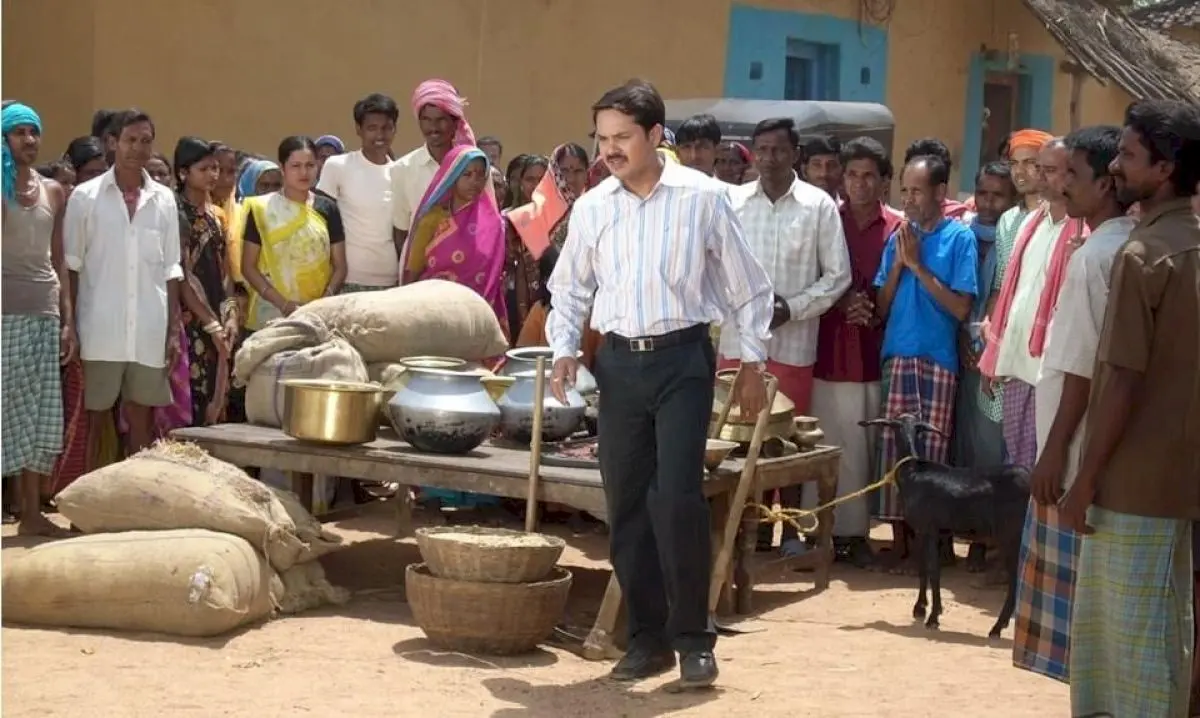
Filmmaker Anuj Sharma, in a conversation with millenniumpost.in, said his Chhattisgarhi cinema uses dialect not merely as speech but as an address of memory and belonging. He described Chhattisgarh by colour: black…
The Story in Brief
Filmmaker Anuj Sharma, in a conversation with millenniumpost.in, said his Chhattisgarhi cinema uses dialect not merely as speech but as an address of memory and belonging. He described Chhattisgarh by colour: black in the north for coal, white in the centre for limestone, red in the south for iron ore. Most cinema halls are in the white belt, while the old Bastar region, larger than Kerala, once had only three. Sharma believes that a film must first belong somewhere before it can travel anywhere, and that 'apnapan' (belonging) is the start of universality.
The Indian Opinion
The usual narrative around regional cinema reduces it to market size and subtitles. But Sharma's argument, that 'apnapan' is where universality begins, challenges that. A film that speaks your mother's cadence can still travel, perhaps because it is so specific. The real test is not box office in the white belt, but whether a Chhattisgarhi film can make a viewer in Tamil Nadu or Punjab feel that same address. Will that happen without losing its dialect?
Source: millenniumpost.in
This story was synthesised by AI from the source linked above.