




















Now Reading: Bombay High Court Tejpal ruling reignites debate on masculinity
-
01
Bombay High Court Tejpal ruling reignites debate on masculinity


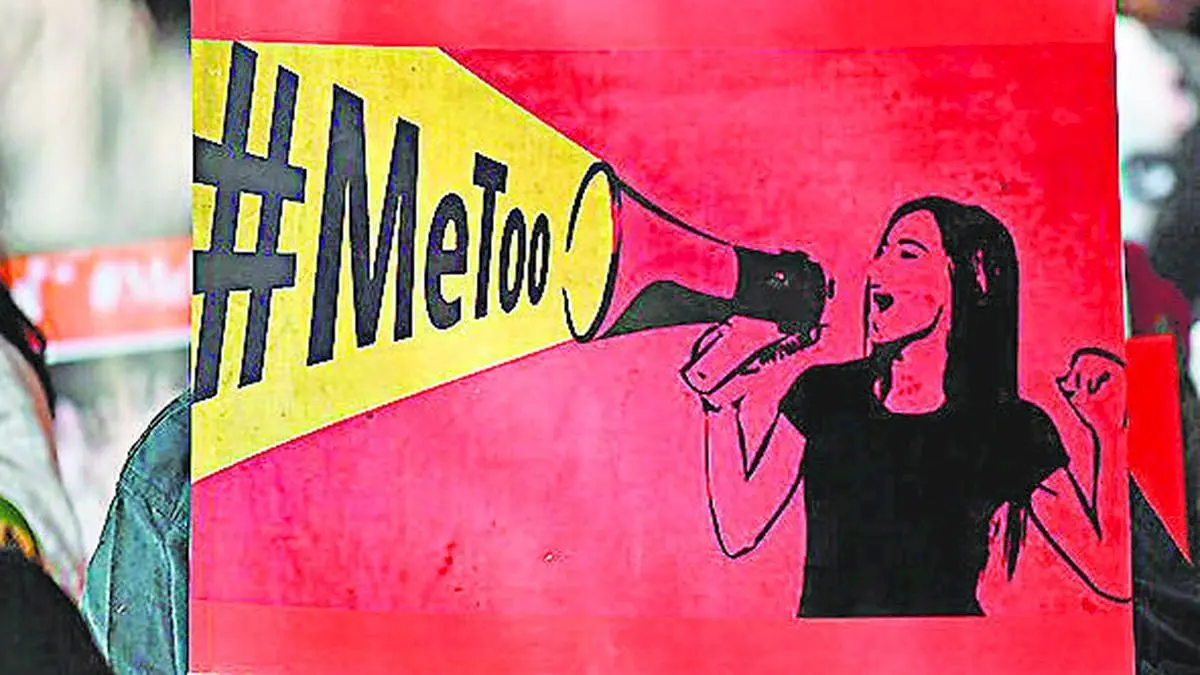
The Bombay High Court's reversal of Tarun Tejpal's acquittal has triggered divergent views on male responses to sexual violence. The Hindu says men's defensive reactions reflect an unwillingness to examine masculinity and…
The Bombay High Court's reversal of Tarun Tejpal's acquittal has triggered divergent views on male responses to sexual violence. The Hindu says men's defensive reactions reflect an unwillingness to examine masculinity and complicity beyond legal guilt. Hindustan Times argues that society celebrates convicted men while women are traumatised and blamed.

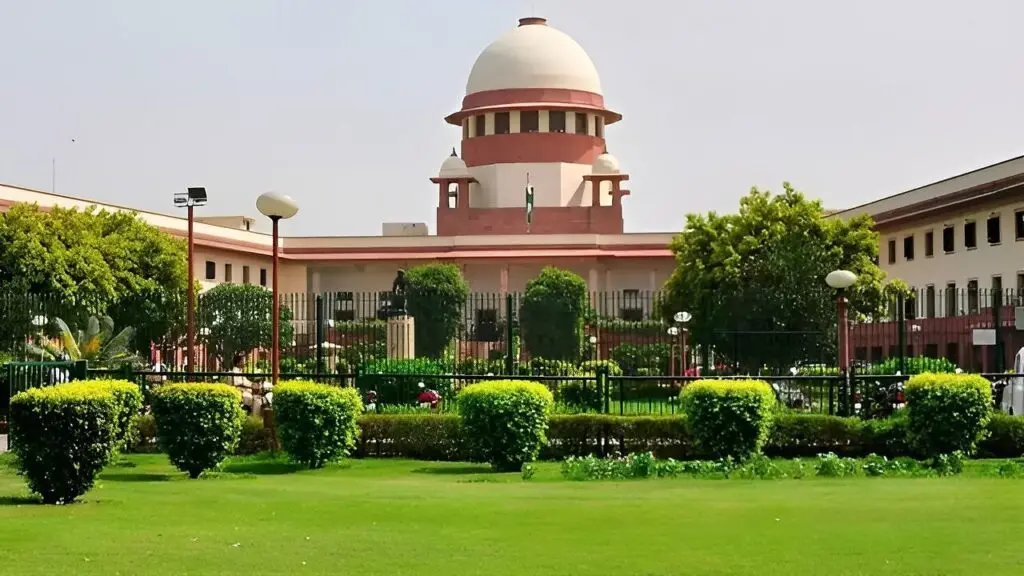
According to The Hindu, men focus on false accusations and due process instead of questioning their own behaviour. The paper urges moving past the misleading distinction between 'good' and 'bad' men. Hindustan Times columnist Namita Bhandare says the court's judgment rejects the 'perfect victim' myth but notes that Tejpal has appealed to the Supreme Court.
Sources (2): thehindu.com, hindustantimes.com
This story was synthesised by AI from the 2 sources linked above.
Updated: this story now draws on 2 sources.