




















Now Reading: Birth certificate becomes key ID document for NRIs
-
01
Birth certificate becomes key ID document for NRIs


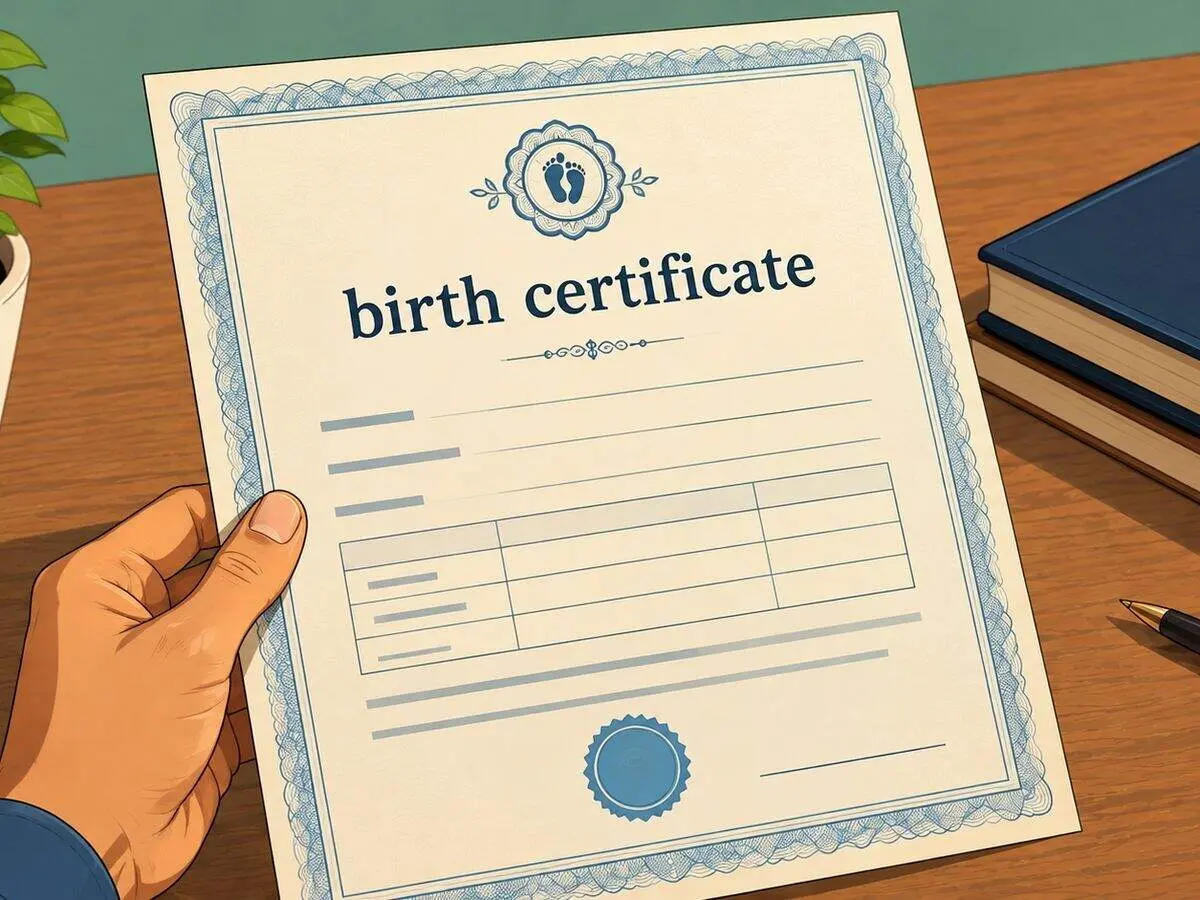
The Ministry of External Affairs said on June 24 that a passport “is a travel document, and not a document of citizenship.” This clarification, based on a 2013 Bombay High Court ruling and the Passports Act, 1967, has focused attention on the birth certificate as the primary identity document. From April 27, 2026, the birth certificate became the default reference document for passports, school admissions, government jobs, property transactions and welfare access, often ahead of Aadhaar, the Economic Times reports.
For anyone born on or after October 1, 2023, the birth certificate is the only accepted proof of date of birth for passport applications. The Centre introduced the Registration of Births and Deaths (Amendment) Bill, 2026, in the Lok Sabha on July 29, proposing that delayed registration beyond two years would need a Judicial Magistrate's approval. Frontline notes the government has introduced graduated scrutiny: timely registration gets normal processing, delays beyond 21 days face enhanced administrative checks, and delays over two years require judicial review.
The Economic Times notes that even a birth certificate does not prove Indian citizenship directly, as citizenship depends on the date of birth and parents' nationality under the Citizenship Act, 1955. For NRIs, a foreign-issued birth certificate typically needs an apostille or consular attestation for use in India. Frontline reports that birth registration levels vary widely across states, and while stricter rules aim to prevent fraud, they risk creating barriers for marginalised communities with limited access to the judicial system.
Sources (2): economictimes.indiatimes.com, frontline.thehindu.com
This story was synthesised by AI from the 2 sources linked above. Methodology and corrections.
Updated: this story now draws on 2 sources.