














Now Reading: Mumbai, Delhi launch pre-winter air pollution crackdowns
-
01
Mumbai, Delhi launch pre-winter air pollution crackdowns


Mumbai and Delhi have unveiled separate anti-pollution drives ahead of winter. Mumbai municipal commissioner Ashwini Bhide ordered a road-washing campaign from October 1 to 15, installation of covers at major construction sites,…
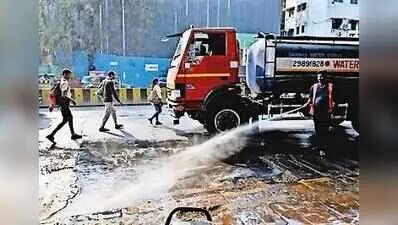
Mumbai and Delhi have unveiled separate anti-pollution drives ahead of winter. Mumbai municipal commissioner Ashwini Bhide ordered a road-washing campaign from October 1 to 15, installation of covers at major construction sites, and removal of traffic bottlenecks at 139 identified locations. The BMC says the city's AQI is currently under control and the measures are preventive.
Delhi environment minister Manjinder Singh Sirsa directed district administrations to map pollution hotspots, identify sources within a 3-km radius, and assign agencies corrective action with deadlines. Pending road and civil works must be completed by October 31. The government ordered tighter action on road dust, construction pollution, waste burning, illegal parking and traffic congestion. Patparganj Industrial Area received special attention for water sprinkling and dust control.
Both cities have stressed coordination between multiple agencies and prompt resolution of citizen complaints. The BMC has so far resolved 64% of 87,004 complaints received through its Marg system. Delhi directed DPCC and enforcement agencies to impose heavy challans and ensure vigilance at vulnerable locations.
Indian Opinion Analysis
Both cities are tackling air pollution proactively, but their approaches differ sharply. Mumbai's BMC commissioner ordered a time-bound road-washing campaign and bottleneck removal, framed as a preemptive measure since the AQI is still under control. Delhi's environment minister directed hotspot mapping, source-specific action plans, and punitive enforcement for violators, reflecting a crisis-response posture given the capital's chronic winter smog. The key divergence is timing: Mumbai acts before deterioration, Delhi acts as the smog sets in. What ties them is a shared focus on traffic congestion, construction dust, and citizen complaints, suggesting these are now standard municipal levers for air quality management.
Coverage: 2 sources, 1 pro-government, 1 government-critical
Sources (2): timesofindia.indiatimes.com (pro government), timesofindia.indiatimes.com (2) (government critical)
This brief was synthesised by AI from the 2 sources linked above, so one read covers every framing they carry.
Updated: this story now draws on 2 sources.