










Now Reading: BrahMos export interest swells after Op Sindoor combat success
-
01
BrahMos export interest swells after Op Sindoor combat success


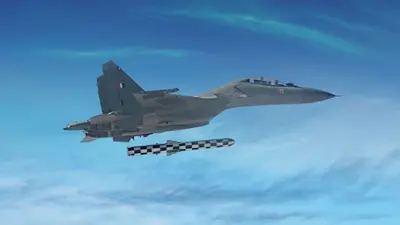
India's BrahMos supersonic cruise missile has seen a surge in export interest after its combat use during Operation Sindoor in May 2025, when it struck multiple targets in Pakistan including well-defended air bases. Flying at nearly three times the speed of sound and hugging terrain to evade radar, the missile has become a key asset for India's defence diplomacy, particularly among nations concerned about China's expanding footprint.
The Philippines was the first foreign customer, signing a $375 million deal in 2022 for the shore-based anti-ship variant to counter Beijing's maritime claims in the South China Sea. Vietnam has confirmed an agreement is effectively inked, while Indonesia signed a deal during PM Modi's July visit to Jakarta that includes the BrahMos and Astra air-to-air missile, with a joint committee set up for technology transfer. The UAE is in early-stage talks, and Malaysia, Singapore, Brunei, Thailand, South Africa, Qatar, Oman, and Brazil have also expressed interest.
BrahMos Aerospace is developing a next-generation variant that will be lighter and faster, capable of being carried by smaller platforms such as the Tejas fighter jet, extending the missile's reach beyond the Sukhoi fleet.
Indian Opinion Analysis
The BrahMos, a joint venture with Russia, is India's most advanced cruise missile and has been in service since 2005. Its combat debut in Operation Sindoor gives it rare battlefield credibility that few export missiles possess. For nations facing Chinese assertiveness, the missile offers a proven deterrent at an affordable price compared to Western systems. The key constraint remains production capacity and technology transfer terms, as BrahMos Aerospace must balance export orders with Indian military needs. Watch for Indonesia's joint committee on tech transfer to set a precedent for future deals.
Source: timesofindia.indiatimes.com
This story was synthesised by AI from the source linked above. Methodology and corrections.