












Now Reading: India builds indigenous BVR missiles and cheap precision weapons
-
01
India builds indigenous BVR missiles and cheap precision weapons


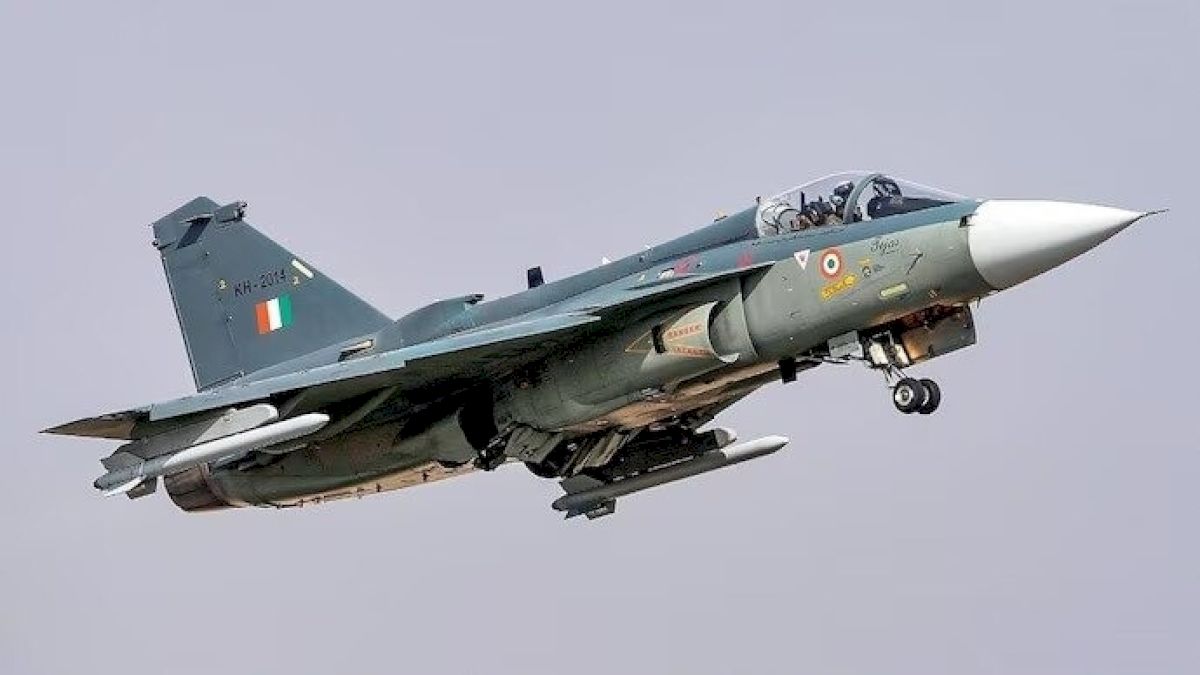
India’s Defence Research and Development Organisation (DRDO) is simultaneously advancing its beyond-visual-range (BVR) missile capability and building a family of affordable precision munitions. The Astra Mk-1, India’s first indigenous BVR missile, achieves…
The Story in Brief
India’s Defence Research and Development Organisation (DRDO) is simultaneously advancing its beyond-visual-range (BVR) missile capability and building a family of affordable precision munitions. The Astra Mk-1, India’s first indigenous BVR missile, achieves Mach 4.5 with an engagement range of 80-110 km and is being integrated into Su-30MKI and Tejas Mk-1A fighters. Business Today notes that while the American AIM-120C AMRAAM has extensive combat kills over decades, Astra is still maturing through trials. Separately, the Times of India reports that DRDO plans to add a small turbine engine to the Smart Anti-Airfield Weapon (SAAW), a glide bomb with a current range of 100 km, to double its reach. The Gaurav glide bombs in 500 kg and 1,000 kg variants also offer a 100 km stand-off range, and the TARA guidance kit converts dumb bombs into precision weapons at 30 km. These efforts reduce dependence on expensive cruise missiles and foreign suppliers, giving the Indian Air Force scalable and cost-effective strike options.
The Indian Opinion
The favourite line that Indian weapons lack combat pedigree ignores why we build them. The AIM-120C has decades of kills, but Astra is designed for our own air force, not export trophies. Cheap glide bombs are not a sign of weakness, they are the rational answer to prolonged wars where Rs 25-crore cruise missiles are unsustainable. The real test is not whether Astra can match the AMRAAM on paper, but whether Astra Mk-2 and powered SAAW fly as promised in user trials next year.
Sources (2): businesstoday.in, timesofindia.indiatimes.com
This story was synthesised by AI from the 2 sources linked above.
Updated: this story now draws on 2 sources.