



















Now Reading: India tests Kusha long-range surface-to-air missile
-
01
India tests Kusha long-range surface-to-air missile


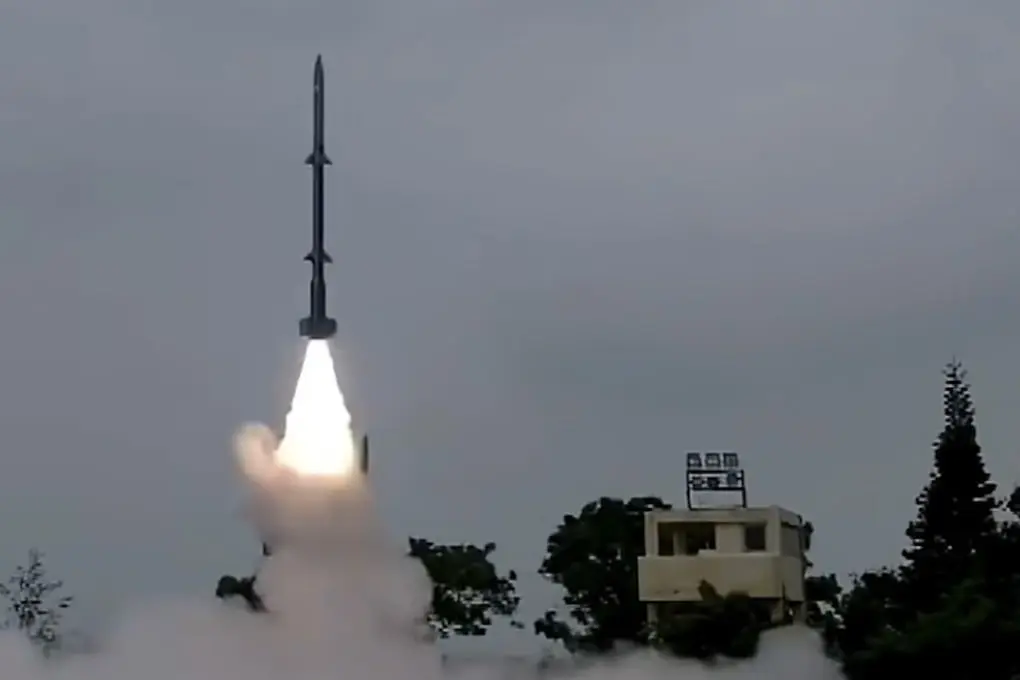
India successfully test-fired the Kusha long-range surface-to-air missile on July 23, marking a milestone in the country's push for self-reliance in air defence. The domestically developed system, built by the Defence Research and Development Organisation, is expected to become a core component of Prime Minister Narendra Modi's Mission Sudarshan Chakra, a plan to create a multilayered national defence shield against ballistic missiles, fighter jets, drones and other threats by 2035.
The test comes as India continues to rely on imported systems such as Russia's S-400 Triumf, whose deliveries have been delayed due to Moscow's military needs in the Ukraine conflict. The Indian Air Force has praised the S-400's performance during last year's Operation Sindoor against Pakistan, claiming it intercepted five Pakistani fighter jets and an early warning aircraft. Retired Air Marshal Ravi Gopal Krishna Kapoor said the Kusha, being a home-grown system, can be easily integrated into India's existing air defence architecture.
Indian Opinion Analysis
The Kusha missile fills a critical gap in India's air defence: long-range surface-to-air coverage that can engage threats beyond 250 km. This capability is currently dependent on the S-400, of which only three of five contracted regiments have been delivered due to Russia's war needs. The test signals that DRDO has mastered seeker, propulsion and command-guidance technologies that were long considered beyond Indian industry. Mission Sudarshan Chakra envisions overlapping kill zones from short-range to exo-atmospheric interceptors, similar to the Israeli or American layered systems. The key next step is repeated flight trials against live targets at varying altitudes and speeds, which will determine whether Kusha can enter production by 2028.
Source: scmp.com
This story was synthesised by AI from the source linked above. Methodology and corrections.