










Now Reading: Cab drivers could earn Rs 1.36 lakh more under zero-commission model
-
01
Cab drivers could earn Rs 1.36 lakh more under zero-commission model


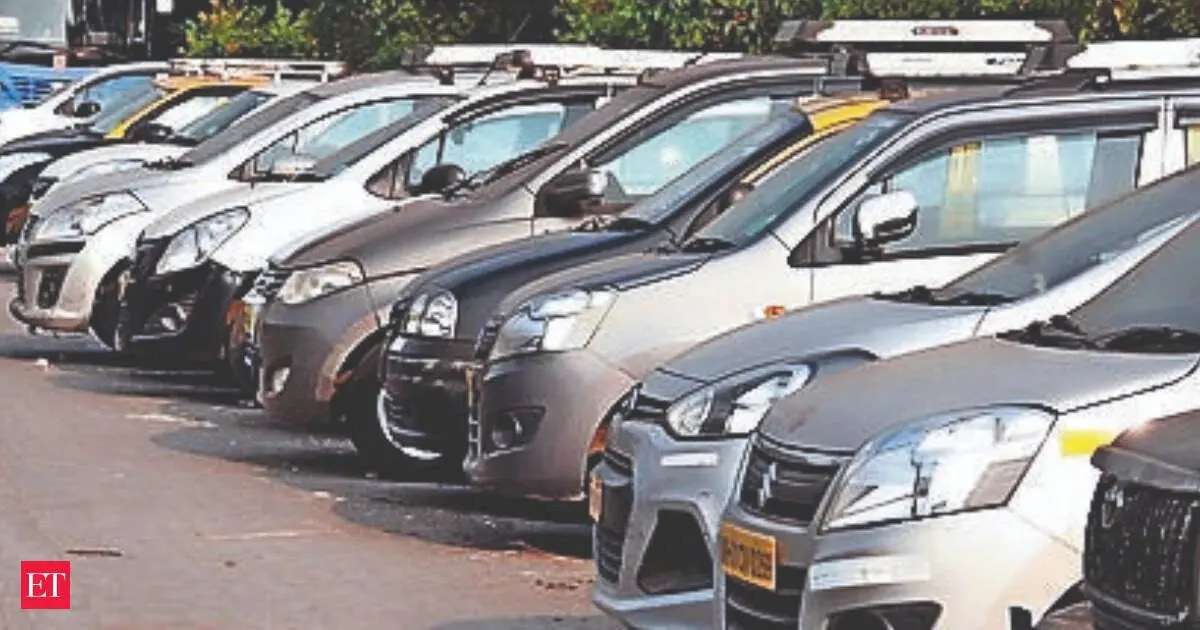
A new study by the Open Network for Digital Commerce (ONDC) says India's cab drivers could take home up to Rs 1.36 lakh more each year if ride-hailing platforms switched to a…
The Story in Brief
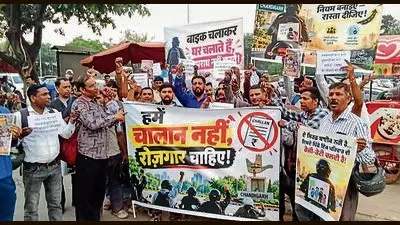
A new study by the Open Network for Digital Commerce (ONDC) says India's cab drivers could take home up to Rs 1.36 lakh more each year if ride-hailing platforms switched to a zero-commission, software-as-a-service (SaaS) model. Instead of surrendering 20-30% of fares to aggregators like Uber and Ola, drivers would pay a flat software subscription fee and keep all their earnings. The study argues that open-network systems would also improve service in smaller cities.
But the model faces a tax hurdle. Under Section 9(5) of the GST Act, e-commerce platforms are liable for GST on passenger transport, a rule designed for commission-based apps that control fares. SaaS platforms have no visibility into what passengers pay drivers, and Karnataka's advance rulings have been contradictory. Nearly 90% of drivers surveyed said their income depends on platform work.
The Indian Opinion
The ONDC study is being pushed as proof that platforms like Uber and Ola are fleecing drivers, but the narrative ignores two realities. First, zero-commission SaaS models like Namma Yatri remain tiny and unproven at scale. Second, the tax confusion under GST's Section 9(5) is not just a legal technicality, it could kill the model if platforms are held liable for fares they never touch. Watch whether the Karnataka advance ruling mess is resolved by the GST Council before the driver-income numbers are taken seriously.
Source: economictimes.indiatimes.com
This story was synthesised by AI from the source linked above.