

















Now Reading: CAQM orders NCR industries to install PTZ cameras by Nov 30
-
01
CAQM orders NCR industries to install PTZ cameras by Nov 30


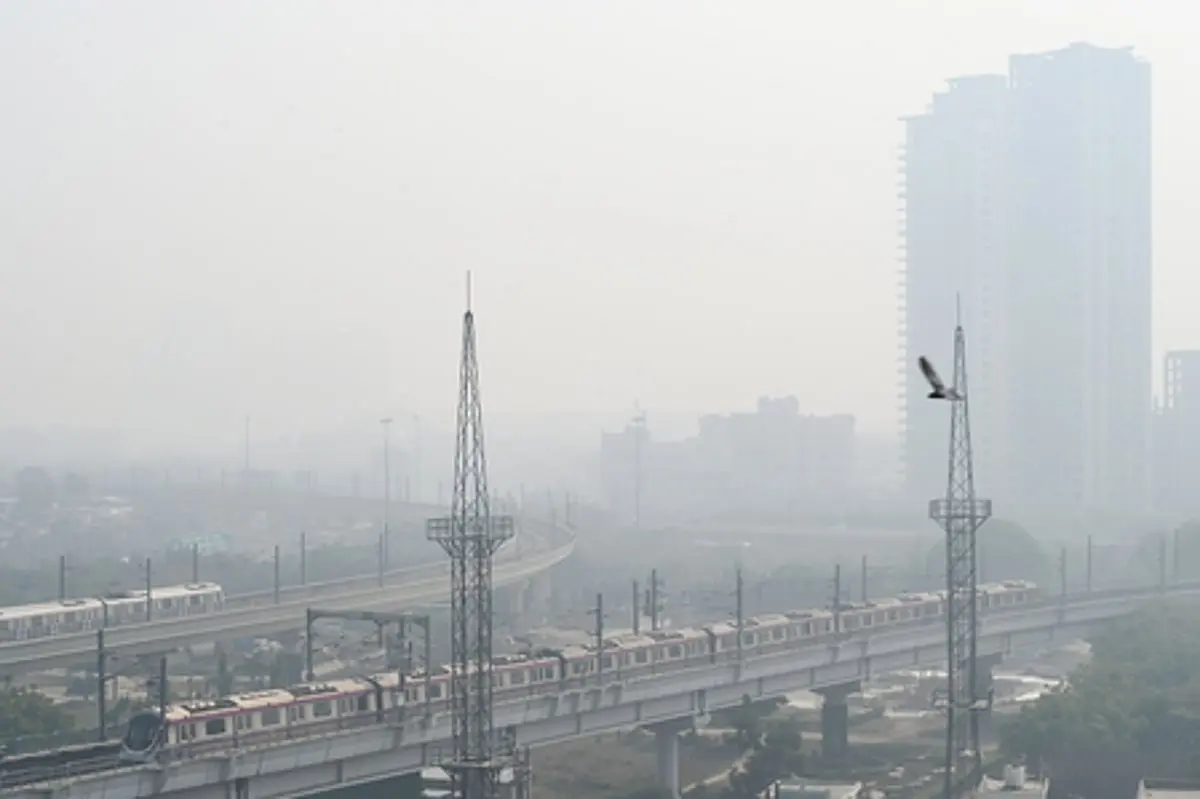
The Commission for Air Quality Management (CAQM) has directed highly polluting industries in the National Capital Region (NCR) to install pan-tilt-zoom (PTZ) cameras at key operational points and transmit live video feeds to pollution control authorities by November 30, 2026. The order supersedes its October 5, 2026, directive.
The requirement covers all 17 categories of highly polluting industries identified by the Central Pollution Control Board (CPCB), medium and large red-category air-polluting units, food and food-processing units, textile industries with boilers or thermic fluid heaters, and metal industries with furnaces. CAQM has also set an emission limit of 50 mg/Nm3 based on an IIT-Kanpur study and CPCB technical committee recommendations.
Cameras must be placed at fuel-feeding and charging points, gas meters, industrial stacks, and online continuous emission monitoring system (OCEMS) sampling points. Live feeds must be transmitted continuously via Real Time Streaming Protocol (RTSP) to CPCB servers and respective state pollution control board or DPCC portals.
Indian Opinion Analysis
The CAQM order tightens enforcement on NCR's most polluting industries ahead of winter, when air quality typically worsens. By mandating PTZ cameras and live video feeds, the commission moves from periodic inspections to continuous remote monitoring, reducing the scope for evasion. The 50 mg/Nm3 emission limit, grounded in IIT-Kanpur's study, sets a uniform benchmark that affected units must meet. Industries that fail to install cameras or comply with the limit by the November 30 deadline risk enforcement action from CAQM and state boards. The commission leaves no ambiguity on camera placement, specifying fuel-feeding points, gas meters and stack locations to eliminate blind spots.
Source: newindianexpress.com
This brief was synthesised by AI from the source linked above. Methodology and corrections.