













Now Reading: Chhattisgarh man, 65, held for rape-murder of woman and her infant
-
01
Chhattisgarh man, 65, held for rape-murder of woman and her infant


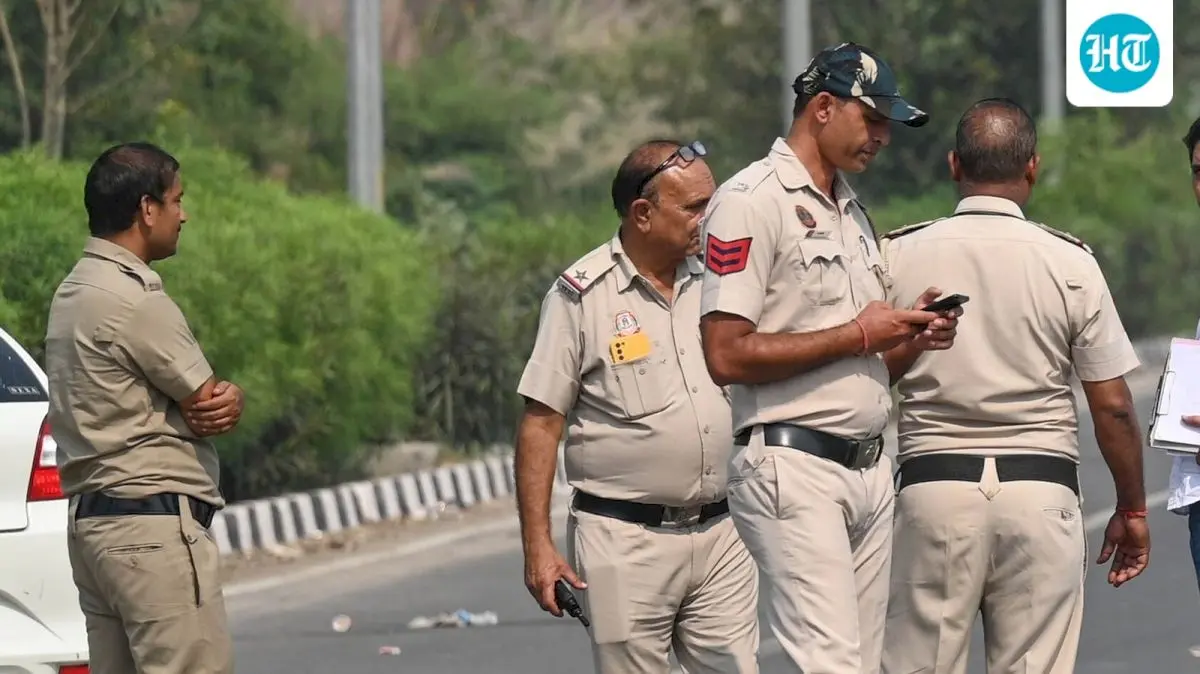
Chhattisgarh police arrested Bhikariram Nagvanshi, 65, on August 6 for the rape and murder of a 35-year-old woman and the killing of her 10-month-old daughter on July 15. The crime occurred at…
The Story in Brief
Chhattisgarh police arrested Bhikariram Nagvanshi, 65, on August 6 for the rape and murder of a 35-year-old woman and the killing of her 10-month-old daughter on July 15. The crime occurred at a remote farm in Chhaparani village, Raigarh district. The woman's cousin filed a complaint on July 16 after finding her critically injured and the infant dead.
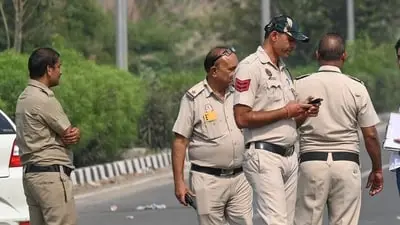
Senior Superintendent of Police Shashi Mohan Singh said the isolated location and lack of eyewitnesses made the probe challenging. Police noticed suspicious injury marks on the accused's hand, leading to a confession and forensic evidence collection. Nagvanshi, a resident of Kodasiya village, was remanded to 14 days' judicial custody on August 7. The woman, a widow with alleged mental health issues, was attacked with a brick when she resisted rape.
The Indian Opinion
The 'isolated farm crime' narrative can obscure deeper failures: why was a vulnerable widow with mental illness left alone with an infant in a remote field? Police deserve credit for cracking the case through injury marks, but the horror of a 65-year-old strangling a crying baby with a brick demands more than legal process. Watch for the trial's speed and whether the state offers any protection plan for women working alone on farms.
Sources (2): hindustantimes.com, ndtv.com
This story was synthesised by AI from the 2 sources linked above.
Updated: this story now draws on 2 sources.