













Now Reading: Children who fuelled India’s freedom struggle with small acts
-
01
Children who fuelled India’s freedom struggle with small acts


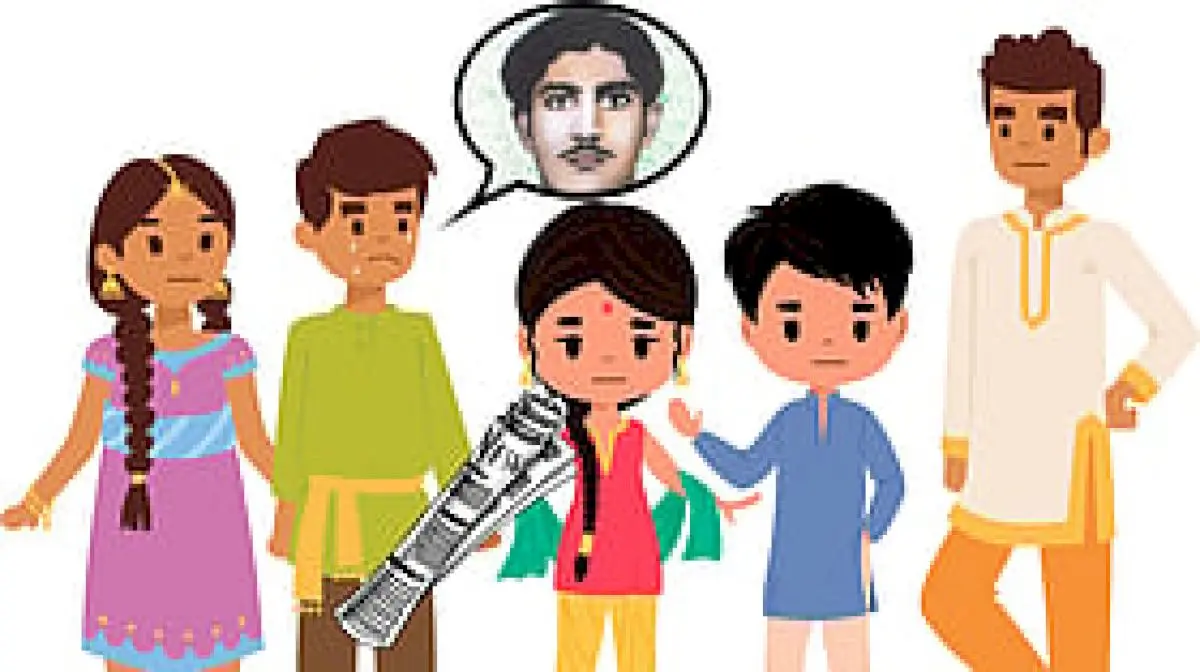
Deccan Herald tells the story of a group of children in Sukkur, Sindh, during the winter of 1943 who formed a secret club called 'Baal Sena'. Led by 12-year-old Nandu, along with…
The Story in Brief
Deccan Herald tells the story of a group of children in Sukkur, Sindh, during the winter of 1943 who formed a secret club called 'Baal Sena'. Led by 12-year-old Nandu, along with Maya, Ram, Salim and Lata, they slipped leaflets under doors, carried hidden letters to volunteers, and kept watch for British policemen, warning people by beating drums.
Their spirits sank when they learned that 19-year-old Hemu Kalani, who tried to stop a British troop train by removing railway fishplates, had been hanged. After encouragement from Nandu's grandfather, who said courage spreads from one heart to another, the children resumed their quiet work. They continued delivering food to families of the arrested until India became free on August 15, 1947.
The Indian Opinion
This sentimental telling of children's role in the freedom struggle risks reducing history to a fable. The story of Hemu Kalani, a real revolutionary hanged by the British, deserves more than a backdrop for a moral lesson. The real test of our understanding of freedom is whether we can honour both the grand sacrifices and the everyday acts of courage without turning either into a fairy tale. Whose courage are we willing to see today?
Source: deccanherald.com
This story was synthesised by AI from the source linked above.