















Now Reading: How a poem led to the execution of Gond king Shankar Shah
-
01
How a poem led to the execution of Gond king Shankar Shah


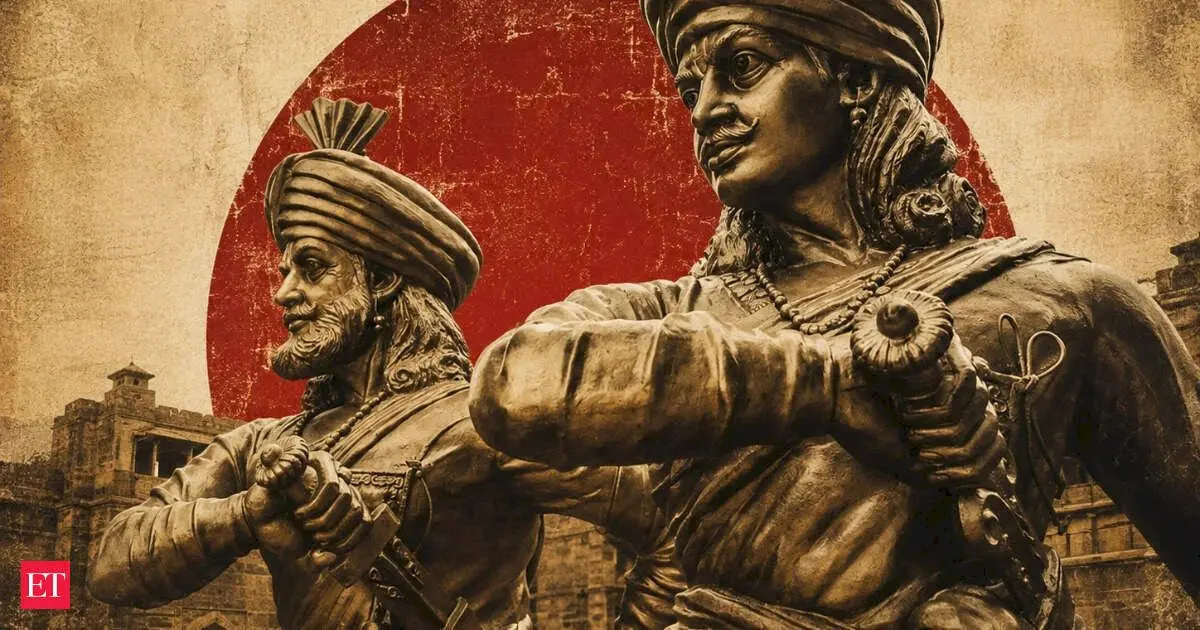
British authorities arrested Gond king Shankar Shah and his son, Raghunath Shah, in Jabalpur on September 14, 1857, after seizing anti-British poems, letters and other documents from their residence. Four days later,…
The Story in Brief
British authorities arrested Gond king Shankar Shah and his son, Raghunath Shah, in Jabalpur on September 14, 1857, after seizing anti-British poems, letters and other documents from their residence. Four days later, a military court sentenced them to death. They were tied to cannon mouths and executed before a crowd.
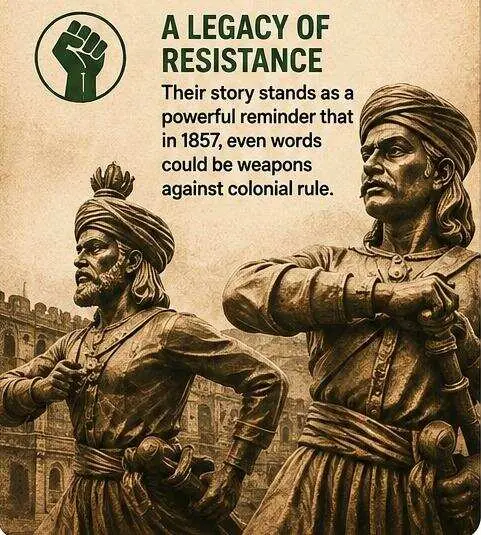
The Economic Times, citing a Madhya Pradesh government account, reports that British informers investigated suspected links between the royal family and soldiers of the 52nd Bengal Native Infantry. One poem invoked the goddess Chandi against the British. Shankar Shah belonged to the Garha-Mandla royal line, associated with Rani Durgavati, though the dynasty had lost its sovereign power by 1857. His case shows how the uprising travelled through writings, religious appeals and local networks, not just battlefields.
The Indian Opinion
It is too easy to present 1857 either as a neat national war or as a revolt driven only by soldiers. Shankar Shah’s story supports a wider view, but a poem alone does not prove the full conspiracy described by colonial authorities. The strongest account must separate recovered documents, military-court findings and later museum narratives. The surviving papers and the official record of the trial should remain the test of what can be stated with confidence.
Source: economictimes.indiatimes.com
This story was synthesised by AI from the source linked above.