






















Now Reading: How songs and culture have powered resistance in India
-
01
How songs and culture have powered resistance in India


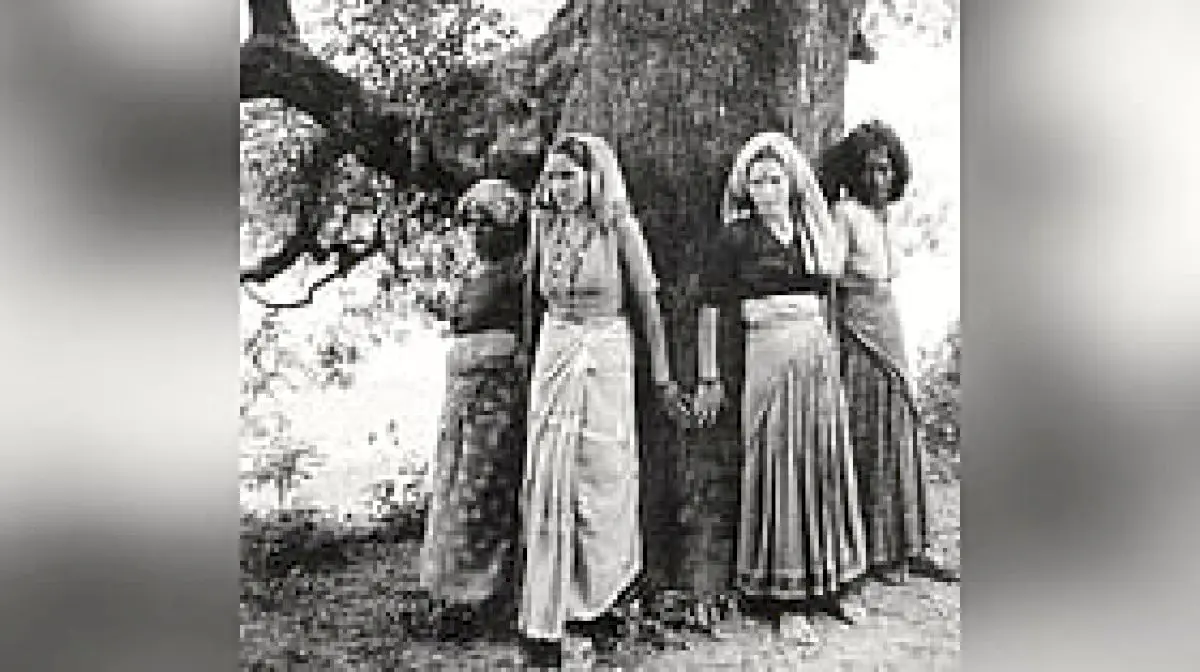
The Chipko movement took shape in 1974 when Gaura Devi led women in Reni village, Chamoli, to embrace trees and stop labourers from felling them. In 1977, poet Girish Tiwari, known as…
The Story in Brief
The Chipko movement took shape in 1974 when Gaura Devi led women in Reni village, Chamoli, to embrace trees and stop labourers from felling them. In 1977, poet Girish Tiwari, known as Girda, used a Kumaoni song and hudka to mobilise opposition to a forest auction in Nainital, forcing its cancellation. Naveen Joshi writes that folk songs, poetry, instruments, street theatre and slogans have long strengthened non-violent movements, from the freedom struggle to Adivasi protests.
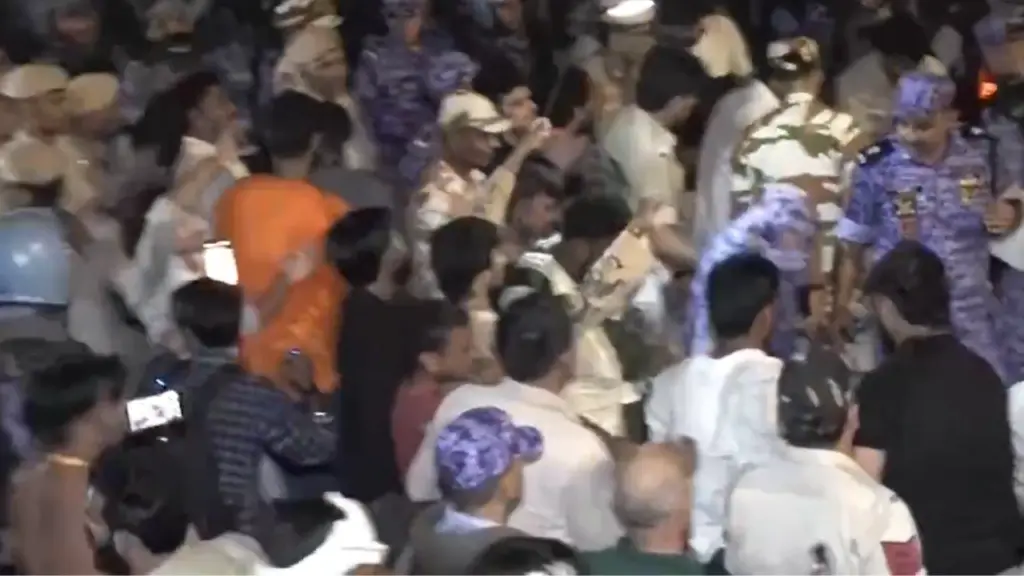
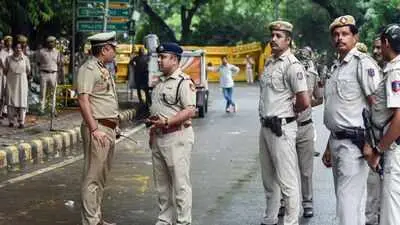
The article links this tradition to a recent Jantar Mantar protest, where young demonstrators sang with daphlis and used creative posters. It also refers to opposition by Adivasi villagers in Madhya Pradesh to the Ken-Betwa Link Project, which they say threatens forests, livelihoods and compensation rights.
The Indian Opinion
The lazy view is that protest songs are decoration, while the exaggerated counterclaim is that cultural expression alone can defeat power. The Reni women and Nainital protesters show why both readings fail: music and local memory can bring people together, but organisation and sustained pressure decide outcomes. The Ken-Betwa conflict will be judged by the number of families affected, the compensation paid and the forests actually protected, not by slogans from either side.
Source: nationalheraldindia.com
This story was synthesised by AI from the source linked above.