

















Now Reading: Citi economist lists three steps to attract foreign capital to India
-
01
Citi economist lists three steps to attract foreign capital to India

Citi economist lists three steps to attract foreign capital to India


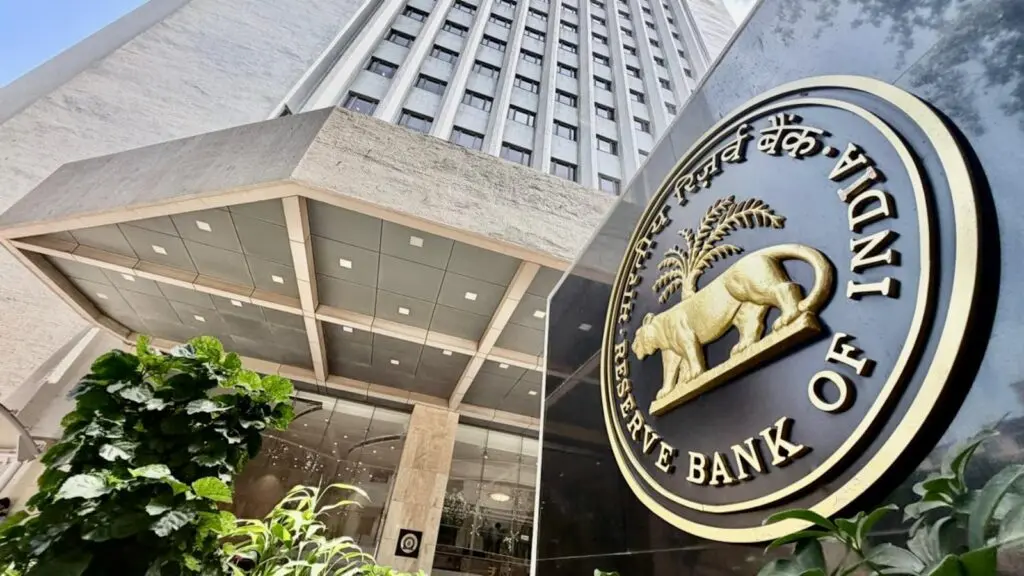
Samiran Chakraborty, Citi's India chief, has said India needs to stabilise the rupee, build resilient global supply chains and sustain credit growth to extend the capital expenditure cycle to attract foreign investment. In an exclusive conversation with Shweta Punj, Chakraborty said India must consistently communicate its story of growth, macro stability and political stability while building a stronger global narrative around its artificial intelligence opportunity.

The Wire offers a contrasting view, reporting that the steps taken by the finance ministry and the RBI to stem capital outflows are unlikely to succeed given the large differential in returns between Indian and foreign stock markets. The Wire article notes that Finance Minister Nirmala Sitharaman recently called critics of the economy "fear-mongerers" creating a "cynical narrative," while the RBI flagged India's resilience. The outlet argues that rising prices, gas shortages and falling employment have hit the poor hardest, and that free-market policies are unlikely to correct the situation.
Indian Opinion Analysis
Citi's prescription is a booster for the government's official narrative: growth is sound, messaging needs polish, and low-hanging policy fixes exist. The Wire inverts the lens entirely, framing the government as worried and the steps as insufficient against a vicious cycle of currency decline and capital flight. Each source picks facts that suit its thesis: Citi omits any mention of inflation or hardship, while The Wire leads with a critique of free-market dogma. The measured middle is that both agree capital outflow is a real problem, the disagreement is whether the government's response is adequate. Watch the rupee and FPI data in the coming months for the verdict.
The measured middle is that both agree capital outflow is a real problem, the disagreement is whether the government's response is adequate. Watch the rupee and FPI data in the coming months for the verdict.
Coverage: 2 sources, 1 government-critical, 1 neutral
Sources (2): linkedin.com (neutral report), m.thewire.in (government critical)
This story was synthesised by AI from the 2 sources linked above. Methodology and corrections.
Updated: this story now draws on 2 sources.