













Now Reading: Parliament can’t impeach judge who resigned: legal experts
-
01
Parliament can’t impeach judge who resigned: legal experts


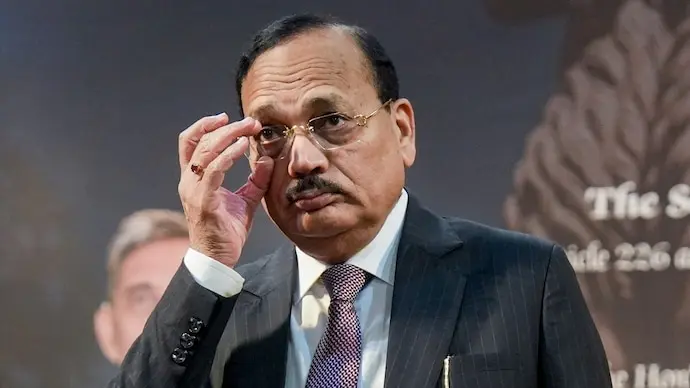
A Lok Sabha committee has indicted former high court judge Justice Yashwant Varma on all charges related to unexplained cash found at his Delhi residence in March 2025. The report was tabled…
The Story in Brief
A Lok Sabha committee has indicted former high court judge Justice Yashwant Varma on all charges related to unexplained cash found at his Delhi residence in March 2025. The report was tabled in Parliament on Wednesday, but Justice Varma resigned in April 2026 while the inquiry was underway. This has created a constitutional puzzle: can Parliament remove a judge who has already left office?
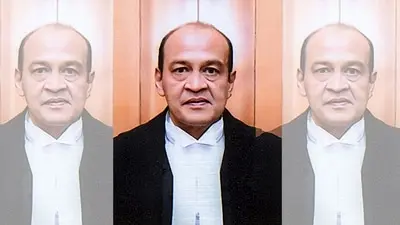
Senior advocates Raju Ramachandran and Mohan Gopal told LiveLaw that a high court judge's resignation takes effect immediately and does not require presidential acceptance. They cited precedent from Justice P.D. Dinakaran's case. However, the government has not formally notified the resignation, and the Allahabad High Court website still lists Justice Varma as a sitting judge, deepening the paradox.

The Indian Opinion
Narratives paint this as either a loophole saving a guilty judge or a vindictive Parliament chasing a ghost. Both miss the point: the Constitution deliberately made resignation a unilateral act to protect judicial independence. If Parliament can now ignore that, no judge's resignation is safe from political second-guessing. The real test is whether the President belatedly notifies the resignation, ending the ambiguity, or leaves Justice Varma in limbo indefinitely.
Sources (2): hindustantimes.com, livelaw.in
This story was synthesised by AI from the 2 sources linked above.
Updated: this story now draws on 2 sources.