















Now Reading: Credit report errors can silently drag down your score
-
01
Credit report errors can silently drag down your score


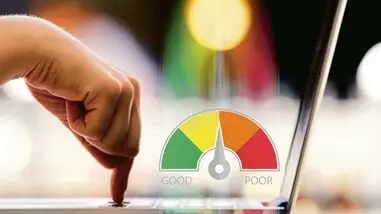
Errors in credit reports can lower a borrower's credit score even when they have never missed a payment, experts say. Common mistakes include incorrect repayment status, duplicate accounts, outdated loan information, and mismatches in personal data. These inaccuracies can create a misleading picture of a person's borrowing history and hurt loan eligibility.
Borrowers are advised to regularly review their credit reports for sudden score changes, unusual enquiries, or incorrect balances. If an error is found, they should raise a dispute through proper channels with the lender or the credit bureau. Fixing these issues early can help maintain an accurate credit record and prevent unnecessary damage to creditworthiness.
Indian Opinion Analysis
The credit scoring system in India, governed by the RBI, relies on data from four major bureaus: CIBIL, Equifax, Experian, and CRIF High Mark. Each uses its own algorithm, so the same borrower can have different scores across bureaus. The real risk is systemic: a lender relying on one bureau's inaccurate data may deny a loan or offer worse terms. As of March 2024, the RBI had received 96 lakh complaints against credit information companies over data inaccuracies. The next step for a borrower who spots an error is to file a dispute directly with the bureau, which must resolve it within 30 days under RBI guidelines.
Source: livemint.com
This story was synthesised by AI from the source linked above. Methodology and corrections.