















Now Reading: Dabar challenges FSSAI ‘100%’ claim order in Delhi High Court
-
01
Dabar challenges FSSAI ‘100%’ claim order in Delhi High Court


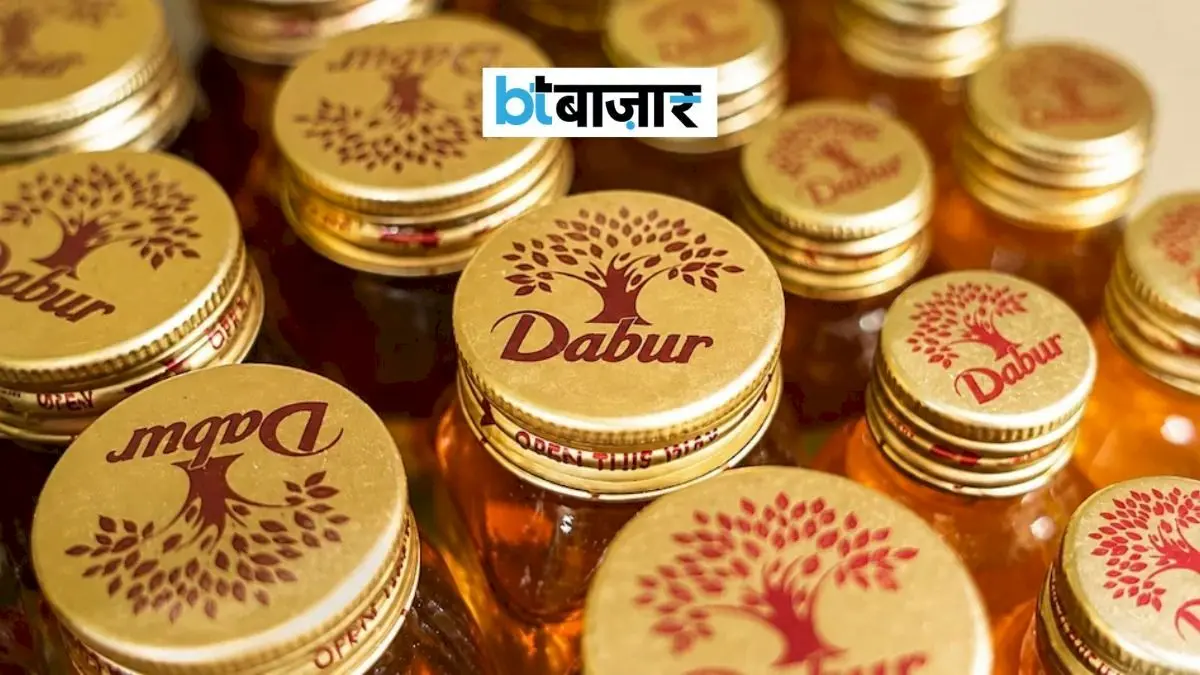
Dabur has moved the Delhi High Court against a Food Safety and Standards Authority of India (FSSAI) order that bars it from selling products labelled '100% natural' or '100% pure'. The company…
The Story in Brief
Dabur has moved the Delhi High Court against a Food Safety and Standards Authority of India (FSSAI) order that bars it from selling products labelled '100% natural' or '100% pure'. The company filed a writ petition on August 6, arguing the order was not in public interest and could benefit certain other manufacturers. Dabur claims the decision, affecting 11 key products including Dabur Honey and Virgin Coconut Oil, puts Rs 150 crore of inventory at risk. The company alleges the order was issued without a show-cause notice or hearing, and that it had already started removing such claims from labels and advertisements.
FSSAI maintains the '100%' claims were misleading and violated the Food Safety and Standards (Advertising and Claims) Regulations 2018. Dabur insists its labels comply with legal frameworks and that the notice does not question product quality or safety. Following the order, quick-commerce platform Blinkit removed affected listings, and Hilton Hotels sought information from Dabur. The court is now examining the procedural aspects and the scope of the regulatory directive.
The Indian Opinion
This dispute between Dabur and FSSAI risks becoming a game of regulatory whack-a-mole rather than a serious effort to clean up misleading food labels. Both sides are pushing self-serving narratives: FSSAI acts tough but appears to skip due process, while Dabur cries foul without addressing whether '100% pure' honey or coconut oil can ever be a technically accurate claim. The real test will be whether the court examines the actual composition of Dabur's products. If the regulator cannot prove adulteration, the order may collapse on procedure alone.
Source: bazaar.businesstoday.in
This story was synthesised by AI from the source linked above.