













Now Reading: Danube drought exposes Nazi warships from 1944
-
01
Danube drought exposes Nazi warships from 1944



Record-low water levels in the Danube River near Prahovo, Serbia, have revealed the remains of Nazi-era warships deliberately sunk in 1944 as German forces retreated from the Soviet advance. The wrecks are…
The Story in Brief
Record-low water levels in the Danube River near Prahovo, Serbia, have revealed the remains of Nazi-era warships deliberately sunk in 1944 as German forces retreated from the Soviet advance. The wrecks are part of a graveyard of about 200 vessels that have spent eight decades underwater. Their reappearance follows heatwaves and drought across Europe, shrinking Europe's second-longest river.
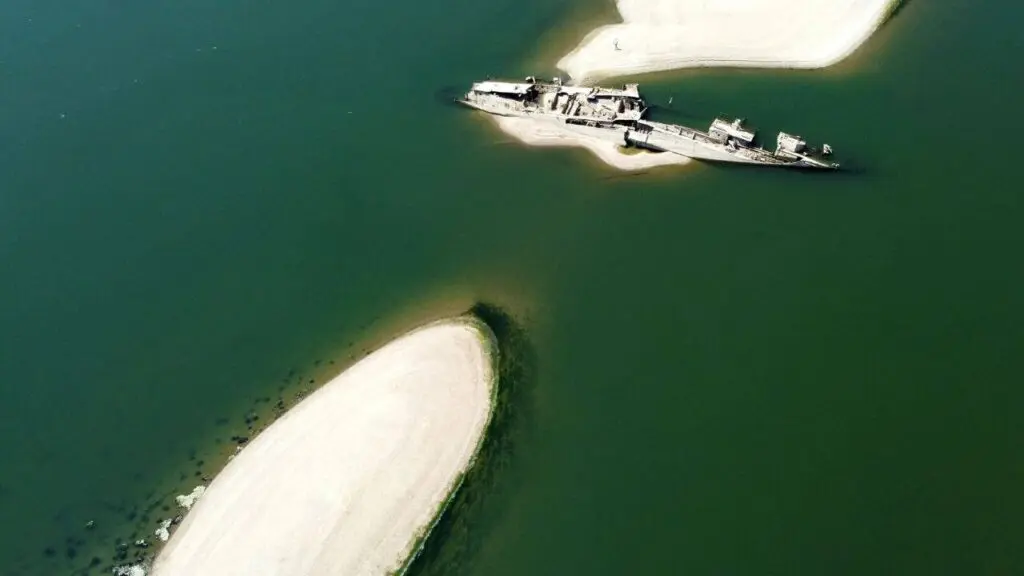
The exposed wrecks obstruct modern shipping and cost Serbia an estimated $5.75 million in lost trade annually, according to Smithsonian Magazine. Serbia and the European Investment Bank launched a project in 2024 to remove 21 of the ships, but the operation is hazardous because leftover ammunition may still be on board. At least two vessels had to be buried in the riverbed instead of lifted.
The Indian Opinion
Some may see the warships as mere tourist curiosities, but the real story is the quiet economic and safety burden they impose. Hundreds of deliberately sunk vessels still litter the Danube, costing Serbia millions each year and risking explosions during removal. The EU-backed clearance effort is a rare, practical step to undo wartime wreckage. But with climate change lowering river levels further, how many more hidden hazards will surface before the job is finished?
Source: timesofindia.indiatimes.com
This story was synthesised by AI from the source linked above.