









Now Reading: Romania in 30-day energy alert as Danube drought hits nuclear plant
-
01
Romania in 30-day energy alert as Danube drought hits nuclear plant

Romania in 30-day energy alert as Danube drought hits nuclear plant


Romania has declared a 30-day nationwide energy alert after the Danube river fell to record lows, forcing Unit 1 at the Cernavodă nuclear plant offline on July 28. Unit 2 remains under…
The Story in Brief
Romania has declared a 30-day nationwide energy alert after the Danube river fell to record lows, forcing Unit 1 at the Cernavodă nuclear plant offline on July 28. Unit 2 remains under continuous review. Emergency river works, including rock blasting and sinking four barges, have temporarily raised water levels and kept Unit 2 running, but forecasts show levels near the plant may keep falling until August 16.
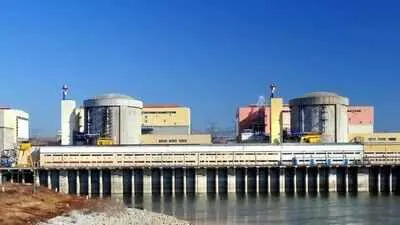
According to the Times of India, the works have bought at least nine more days for Unit 2, while the Hindustan Times reports the operator needed to shut the second reactor. The government has urged households and businesses to reduce evening electricity use and sought imports from neighbours, but drought has also cut Hungarian nuclear and regional hydropower output.

The Indian Opinion
The Danube crisis is a sharp reminder that climate change affects even advanced grids. Some will paint this as a failure of nuclear power, but the plant’s safety shut-off worked exactly as designed, the real story is the fragility of river-dependent cooling in a warming world. Indian thermal plants face similar water stress during summer. The test will come on August 16: if the Danube at Cernavodă keeps dropping, no amount of dredging can keep Unit 2 online.
Sources (2): timesofindia.indiatimes.com, hindustantimes.com
This story was synthesised by AI from the 2 sources linked above.
Updated: this story now draws on 2 sources.