







Now Reading: Deep-tech startups face survival test beyond innovation
-
01
Deep-tech startups face survival test beyond innovation


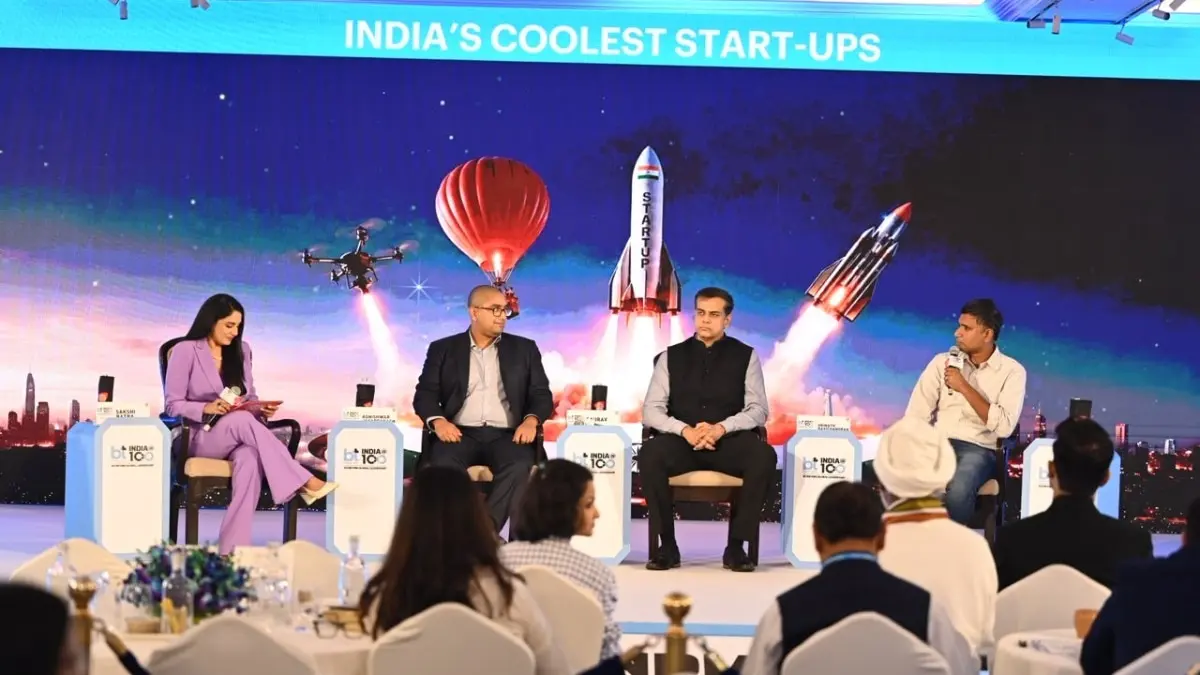
India's deep-tech startups are struggling to cross the 'valley of death', the gap between developing a technology and turning it into a viable business, according to founders who spoke at a recent industry discussion. Saurav Jha of D-Propulse said the main challenge is speeding up testing and certification, and argued that government support should go beyond grants to include early procurement orders, even when a product meets only part of the requirements.
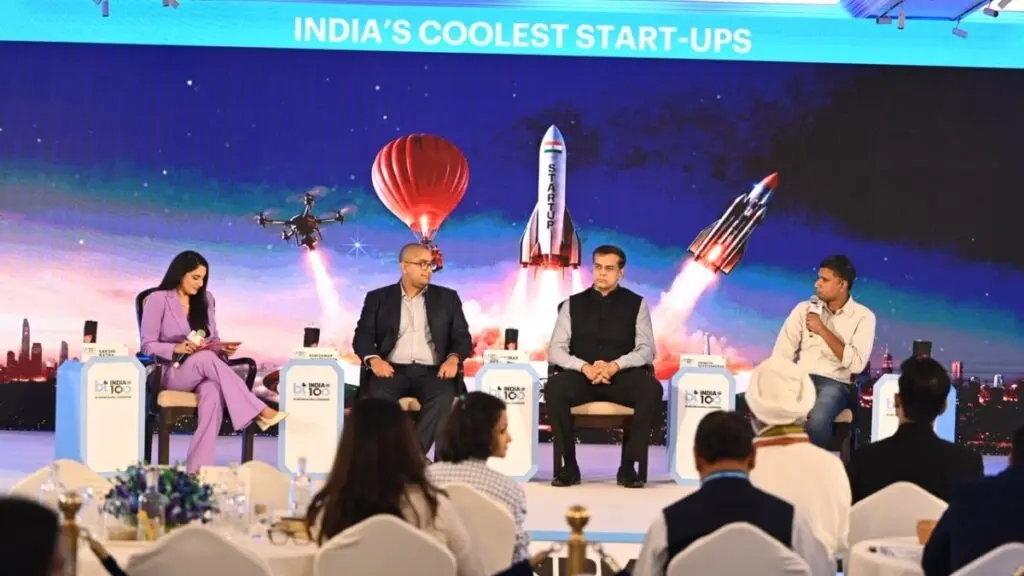
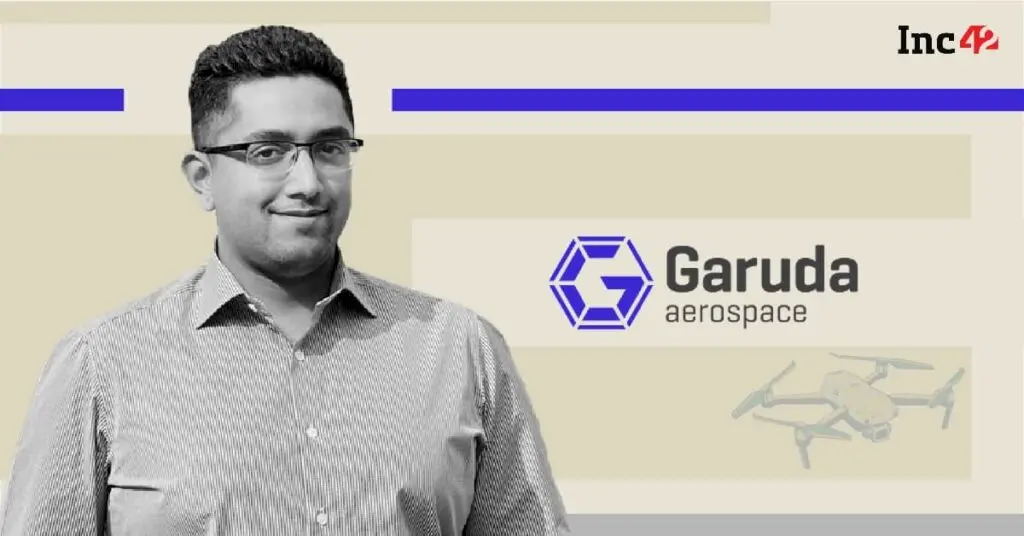
Srinath Ravichandran of Agnikul Cosmos said startups now need to solve business problems alongside technical ones, and cannot simply copy models from SpaceX because India's ecosystem has different constraints. Agnishwar Jayaprakash of Garuda Aerospace argued that founders should become less dependent on external capital, pointing to his company's customer-funded approach and efforts to take products to overseas markets.
The country has built the talent and technology to develop rockets, propulsion systems and drones, but getting those through testing, certification and manufacturing into paying customers' hands will require a deeper ecosystem. The challenge is no longer just whether startups can build, but whether they can survive long enough to scale.
Indian Opinion Analysis
The 'valley of death' is a well-known phase where capital needs spike just as revenue is still zero, and it has killed many promising Indian hardware startups over the past decade. The founders here point to a structural gap: India has no equivalent of the US Department of Defense's SBIR programme, which gives small contracts for incremental technology readiness. The next signal to watch is whether the upcoming deep-tech policy or the proposed National Research Foundation will include procurement mandates for government agencies. If they do, it could unlock Rs 5,000-10,000 crore in anchor demand for propulsion, drone and satellite startups over the next five years.
Source: businesstoday.in
This story was synthesised by AI from the source linked above. Methodology and corrections.