












Now Reading: Gen Z founders drop copycat model, build global tech from India
-
01
Gen Z founders drop copycat model, build global tech from India

Gen Z founders drop copycat model, build global tech from India

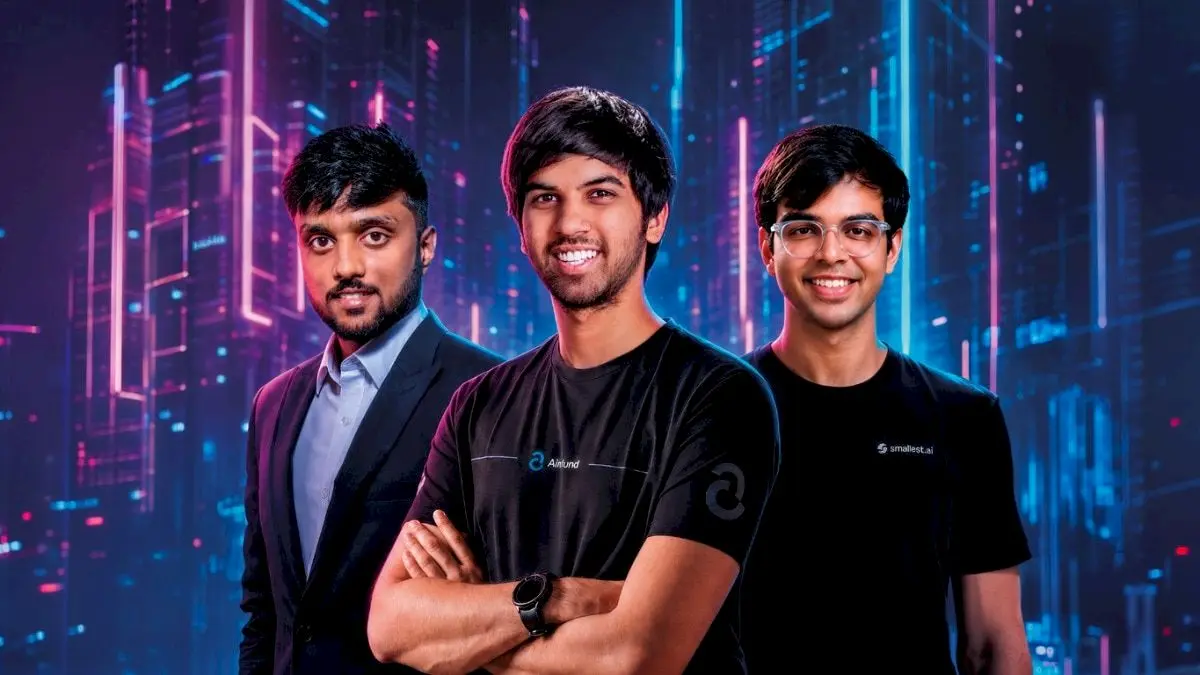
Gen Z founders in India are moving beyond adapting foreign ideas for the local market and building technologies with global ambitions, according to a Business Today report. Naman Pushp, 21, sums up…
The Story in Brief
Gen Z founders in India are moving beyond adapting foreign ideas for the local market and building technologies with global ambitions, according to a Business Today report. Naman Pushp, 21, sums up the shift: his drone start-up Airbound targets universal problem statements rather than creating an Indian version of an existing product.
The generation, numbering 377 million per Boston Consulting Group, is entering an ecosystem transformed by AI, cloud infrastructure and investor demand for capital efficiency. A LinkedIn study found 77% of founders believe AI has lowered barriers to entrepreneurship. Roshni Rathi of BCG says the playbook has flipped from 'raise first, build later' to 'build first, scale intelligently.' Success metrics now prioritise sustainable economics over unicorn valuations alone.
The Indian Opinion
India's start-up story is often told as a shift from 'me-too' clones to homegrown solutions. Now, the popular narrative is Gen Z founders building 'universal' technology. That sounds bold, but many of these firms, like Airbound or Digantara, are yet to prove their models at scale. The real test is not ambition but execution: will capital efficiency and proprietary tech translate into durable global businesses, or will the next hype cycle pull them back to chasing growth at any cost?
Source: businesstoday.in
This story was synthesised by AI from the source linked above.