













Now Reading: Delhi-NCR floods again; Colombo, Ireland comparisons highlight infrastructure gap
-
01
Delhi-NCR floods again; Colombo, Ireland comparisons highlight infrastructure gap

Delhi-NCR floods again; Colombo, Ireland comparisons highlight infrastructure gap

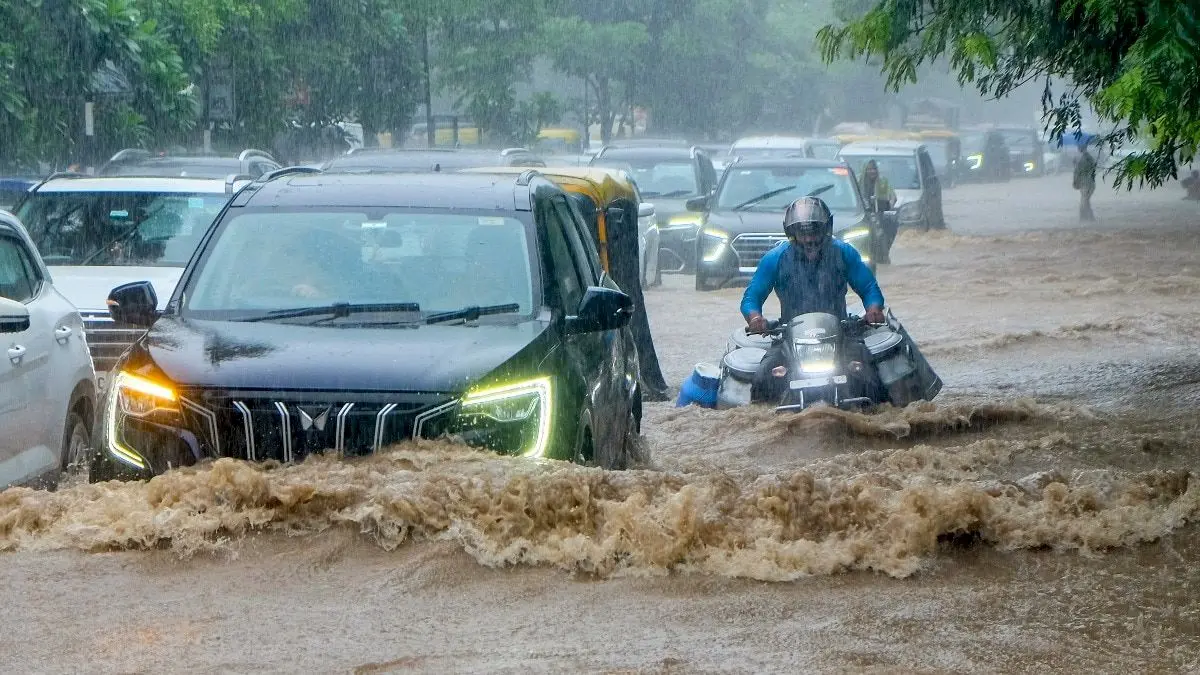
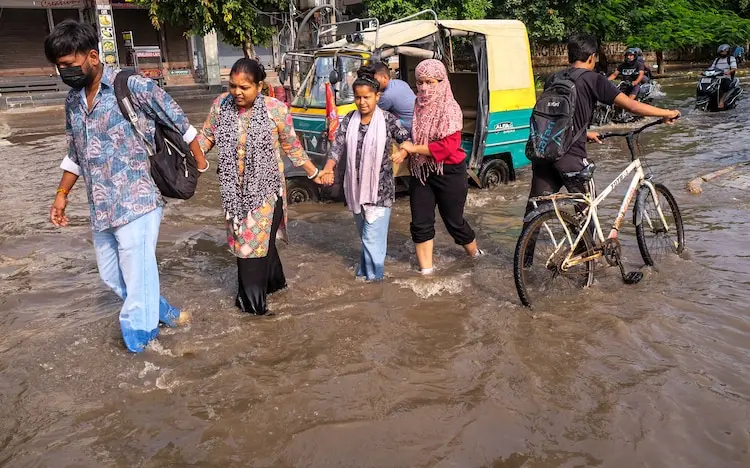
Delhi's Safdarjung station recorded 77.1 mm of rain on August 7, taking the month's total to 204.1 mm. The downpour submerged roads across Delhi-NCR, stranding vehicles and slowing traffic to a crawl.…
The Story in Brief
Delhi's Safdarjung station recorded 77.1 mm of rain on August 7, taking the month's total to 204.1 mm. The downpour submerged roads across Delhi-NCR, stranding vehicles and slowing traffic to a crawl. Social media users contrasted the chaos with cities that receive heavier rain without similar disruption. Entrepreneur Harshdeep Rapal recalled Colombo, Sri Lanka, where roads stayed intact even during the civil war despite months of rain. Another user pointed to West Cork, Ireland, which gets 1,200-2,800 mm annually and yet has asphalt roads with few potholes.
The comparisons challenge the familiar excuse that heavy rain alone is to blame. Rapid urbanisation has reduced absorbent surfaces, blocked drains and encroached on natural water channels. Even as Delhi's neighbourhoods saw sharply varying rainfall, from 111.5 mm in Pushp Vihar to 67 mm in Jharoda Kalan, the result was the same: water that could not drain away.
The Indian Opinion
The usual narrative blames monsoon fury for India's flooded roads, but Colombo and West Cork show that rainfall is manageable with proper drainage and road design. Indian cities have expanded without matching investment in stormwater systems. Encroachment on lakes and wetlands has removed nature's sponges. The real test is whether civic agencies will clear drains before next monsoon and restore the water bodies that once absorbed the rain. If they don't, every heavy shower will be treated as an act of God rather than a failure of governance.
Source: businesstoday.in
This story was synthesised by AI from the source linked above.