












Now Reading: Denmark river restoration fails to bring back lost habitats
-
01
Denmark river restoration fails to bring back lost habitats



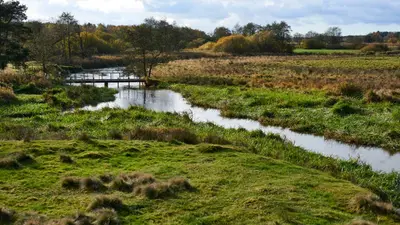
Denmark's Rs 1,500-crore project to restore River Skjern has failed to fully recreate lost habitats, with researchers warning natural processes could take centuries. A study in Ecological Engineering found that after turning…
The Story in Brief
Denmark's Rs 1,500-crore project to restore River Skjern has failed to fully recreate lost habitats, with researchers warning natural processes could take centuries. A study in Ecological Engineering found that after turning 19 km of straightened river into 26 km of winding channel in 2001, only 5.8 per cent of original backwater habitats were restored. The river channel changes much slower than expected, with models predicting just 6.8 metres of bank retreat over 100 years.
While aquatic plants and sensitive insects like mayflies recovered within a year, species dependent on quiet backwaters have not returned. Aarhus University researchers say total biodiversity remains below pre-1960s levels, when the state drained wetlands for farming. They recommend active biological and physical interventions to speed up recovery, which could otherwise take decades or centuries. The project, meant to reverse damage from the 1960s drainage, shows limits of relying on natural processes alone.
The Indian Opinion
The River Skjern story is a needed caution against greenwashing big engineering as 'restoration.' Narratives that pit 'return to nature' against 'human use' miss the real lesson: even well-funded projects cannot undo centuries of damage in a decade. The true test is not flooding or greenery, but whether specialist species and dynamic features like oxbow lakes reappear on their own. If they do not, who will pay for active intervention, and for how long? The answer will settle whether restoration is a fix or a fantasy.
Source: timesofindia.indiatimes.com
This story was synthesised by AI from the source linked above.
Updated: this story now draws on 1 sources.