









Now Reading: Singapore’s canal-to-river project lifts fish biodiversity 30%
-
01
Singapore’s canal-to-river project lifts fish biodiversity 30%



Singapore's conversion of a 2.7-km concrete canal into a meandering river has boosted biodiversity by 30 per cent, a new study confirms. The Bishan-Ang Mo Kio Park waterway, part of the city-state's…
The Story in Brief
Singapore's conversion of a 2.7-km concrete canal into a meandering river has boosted biodiversity by 30 per cent, a new study confirms. The Bishan-Ang Mo Kio Park waterway, part of the city-state's Active, Beautiful, Clean (ABC) Waters Programme, saw fish species richness rise significantly. Three native species were recorded in the rehabilitated stretch, while the untreated canal downstream had none.
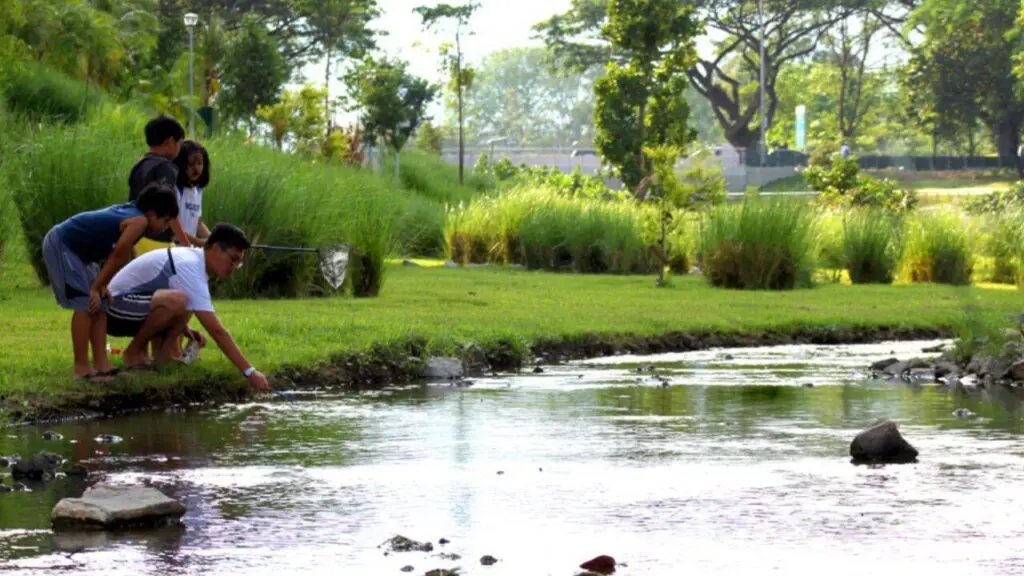
The 3-km river, completed in 2011, now hosts a more varied fish community, with non-native fish still dominant, reports Times of India. Researchers surveyed 8,325 fish across 26 species between 2016 and 2018. Quetzal cichlid made up 68 per cent of the catch and tilapia 17 per cent.
The Indian Opinion
The noise around concrete versus nature misses the point: Singapore's project shows urban rivers work best when engineered. The flood plain and meanders handle rain, while the biodiversity gain of 30 per cent is real, not cosmetic. But the fish numbers reveal limits. Non-native species still dominate, and the river is no forest stream. India's city planners should copy the method, not the gloss. The test is whether our urban rivers can hold native fish, not just prettier banks.
Source: timesofindia.indiatimes.com
This story was synthesised by AI from the source linked above.