












Now Reading: Disability rights law marks a decade, but delivery remains uneven
-
01
Disability rights law marks a decade, but delivery remains uneven


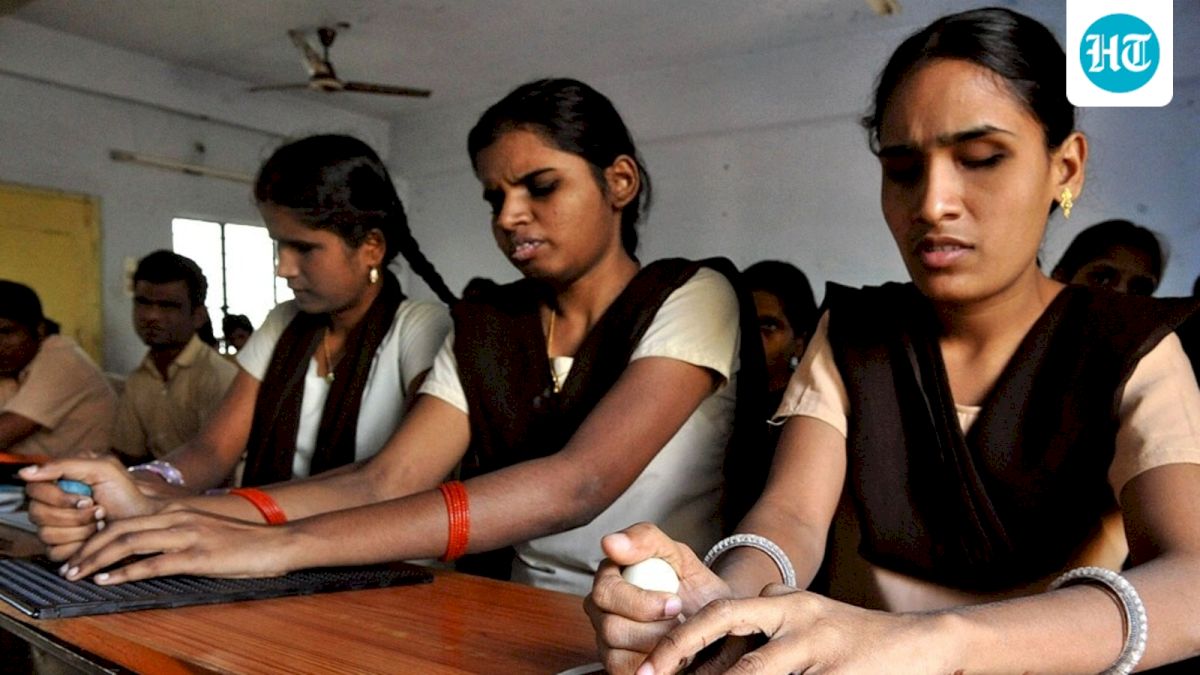
A decade after the Rights of Persons with Disabilities Act, 2016, India has expanded legal protections but struggled to deliver them consistently, Hindustan Times reports. The law recognises 21 disabilities, mandates reasonable…
The Story in Brief
A decade after the Rights of Persons with Disabilities Act, 2016, India has expanded legal protections but struggled to deliver them consistently, Hindustan Times reports. The law recognises 21 disabilities, mandates reasonable accommodation, supports inclusive education and reserves seats in education and government jobs for people with benchmark disabilities. The Supreme Court’s Vikash Kumar ruling strengthened the right to accommodation beyond narrow disability thresholds. Administrative efforts include the Unique Disability ID system and the Accessible India Campaign.
Hindustan Times says major gaps persist in data, accessibility, disability certification, grievance redressal and enforcement. The 2011 Census counted 2.68 crore disabled people, or 2.21% of the population, against the World Health Organisation’s estimate that 16% of people globally experience significant disability. Schools and public services must move beyond formal access to practical inclusion.

The Indian Opinion
The lazy claim that the Act changed nothing ignores stronger legal rights, court intervention and efforts such as UDID. But celebrating a progressive law as a finished success is just as misleading. A ramp, an online form or a school admission does not prove equal participation when transport, materials, staff and certification remain inaccessible. The next Census should test whether India can count disabled people accurately, while public dashboards should show whether promised access reaches rural users and different disability groups.
Source: hindustantimes.com
This story was synthesised by AI from the source linked above.