












Now Reading: How Indian broadcasting turned programmes into community action
-
01
How Indian broadcasting turned programmes into community action


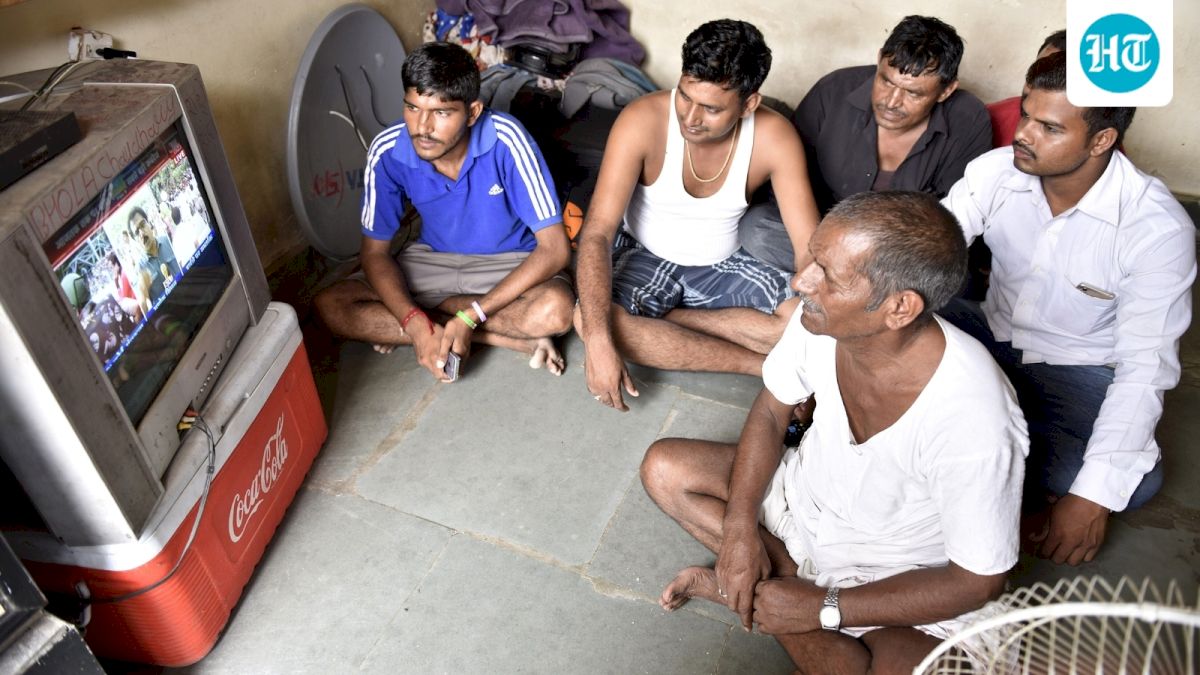
Doordarshan’s Kalyani reached 21 states in 17 languages and 18 dialects, creating nearly 2,500 clubs with more than 83,000 volunteers, Hindustan Times reports. Launched in 2002 to address public health concerns, the…
The Story in Brief
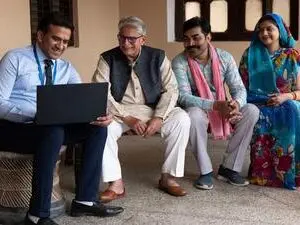
Doordarshan’s Kalyani reached 21 states in 17 languages and 18 dialects, creating nearly 2,500 clubs with more than 83,000 volunteers, Hindustan Times reports. Launched in 2002 to address public health concerns, the weekly programme encouraged viewers to form local groups, discuss issues and act together.
In Madhya Pradesh’s Bandrabhan, villagers adopted the name Kalyani Gram after completing a malaria-free year. Earlier radio serials, including Jeevan Saurabh and Tinka Tinka Sukh, also drew listeners into discussions on relationships, HIV/AIDS, women’s empowerment and dowry. The model won recognition from WHO and UNAIDS, showing how public broadcasting could build trust beyond the screen.
The Indian Opinion
The lazy story is that old public broadcasting was merely a one-way government lecture, while digital platforms automatically create participation. Kalyani’s record suggests neither view is fair. Its strength came from local groups, feedback and visible action, not from television alone. Nor should nostalgia hide the need for sound finances and better measurement today. Any successor should be judged by active community groups and lasting health outcomes, not by audience totals or fashionable technology.
Source: hindustantimes.com
This story was synthesised by AI from the source linked above.