












Now Reading: Economic inequality predicts pandemic outcomes better than preparedness: study
-
01
Economic inequality predicts pandemic outcomes better than preparedness: study

Economic inequality predicts pandemic outcomes better than preparedness: study

A new study published in the New England Journal of Medicine and presented at a major AIDS conference in Brazil finds that economic inequality is the clearest predictor of how countries handle…
The Story in Brief
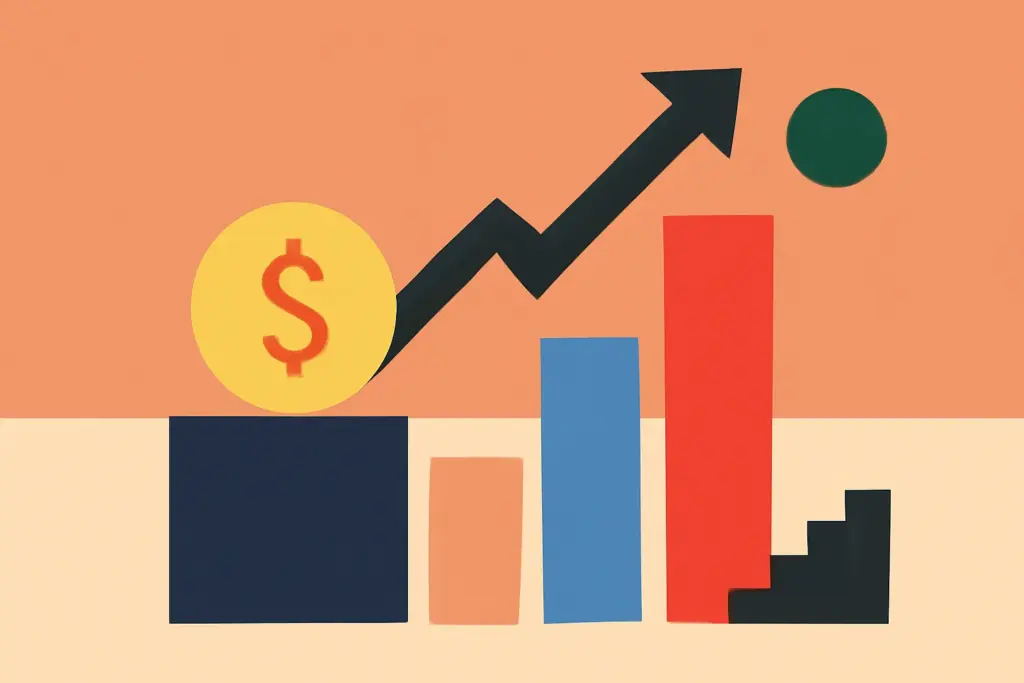
A new study published in the New England Journal of Medicine and presented at a major AIDS conference in Brazil finds that economic inequality is the clearest predictor of how countries handle pandemics, better than traditional measures like labs and stockpiles. The United States and Britain topped pandemic preparedness indexes but had far higher Covid cases and deaths than the global average, while lower-inequality countries such as Vietnam and Norway fared better despite being deemed less prepared.
Lead author Matthew Kavanagh of Georgetown University said deeper inequality means deeper pandemics. The study, by the Global Council on Inequality, AIDS and Pandemics, calls for social protections, debt relief, and patent reform. Some experts, however, caution that the paper lacks quantitative modelling.
The Indian Opinion
This study challenges the standard pandemic preparedness industry that India and others have invested in. Merely counting labs and stockpiles ignores how inequality leaves the poor more exposed and less able to isolate. The call for patent reform and debt relief will face stiff opposition from pharma and rich nations. The real test: will the next global treaty include binding commitments to share vaccines and technology with developing countries?
Source: thehindu.com
This story was synthesised by AI from the source linked above.