Now Reading: First ancient smallpox genomes confirm colonisers brought disease
-
01
First ancient smallpox genomes confirm colonisers brought disease

First ancient smallpox genomes confirm colonisers brought disease

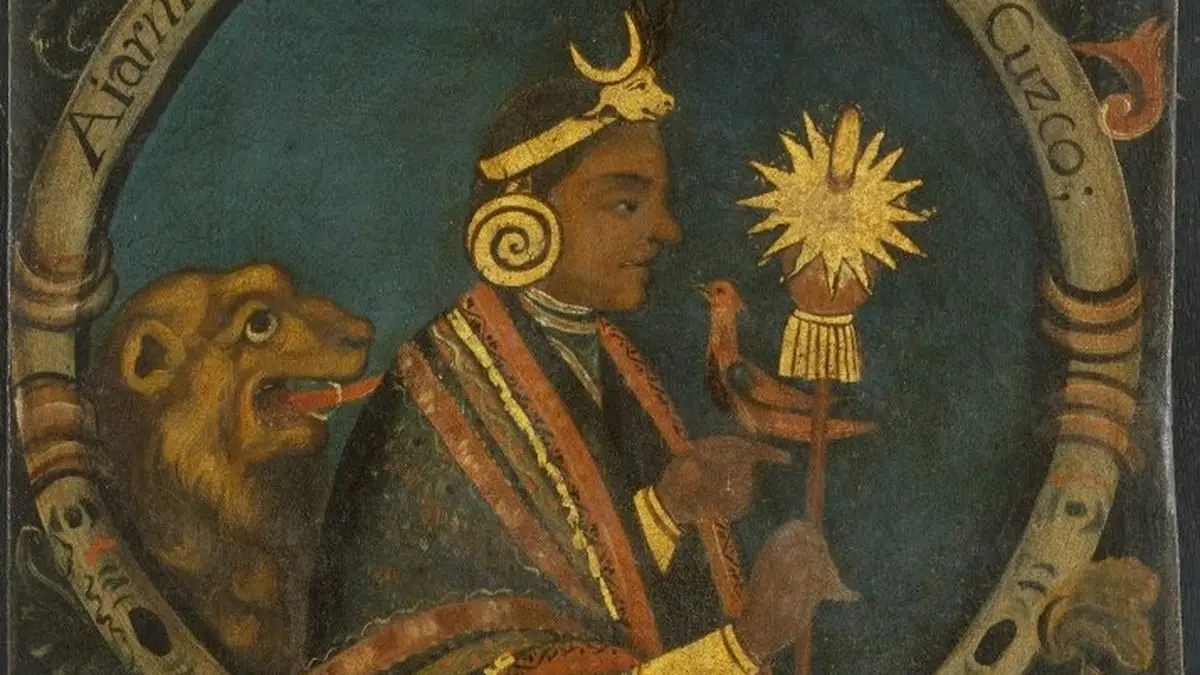
Scientists have recovered the first ancient smallpox genomes from the Americas, directly proving European colonisers brought the disease to South America. The DNA came from human remains in Chile. The strains belong…
The Story in Brief
Scientists have recovered the first ancient smallpox genomes from the Americas, directly proving European colonisers brought the disease to South America. The DNA came from human remains in Chile. The strains belong to a now-extinct lineage that split from European strains around 1296. The virus actively adapted to human hosts until the mid-16th century, then stabilised for 200 years. Smallpox caused Indigenous populations to collapse after European contact. The Hindu reports that this is the first direct molecular evidence confirming the historical account.
The Indian Opinion
Critics may say this study merely confirms what everyone already knew: colonisers brought smallpox. But 'everyone knew' is not scientific proof. The molecular evidence ends debates about whether the virus arrived pre-Columbus or mutated on its own. This clarity matters because vague history lets people downplay colonial responsibility. The real test now is whether similar genomic work will be done on other pathogens like measles or typhus. Will science force a reckoning with the full biological toll of colonisation?
Source: thehindu.com
This story was synthesised by AI from the source linked above.