






















Now Reading: National Herald examines roots and power of resistance
-
01
National Herald examines roots and power of resistance


National Herald India has published two analytical pieces on resistance, exploring its historical roots and contemporary forms. One article, by Shailendra Chauhan, argues that resistance is essential to democratic life and that…
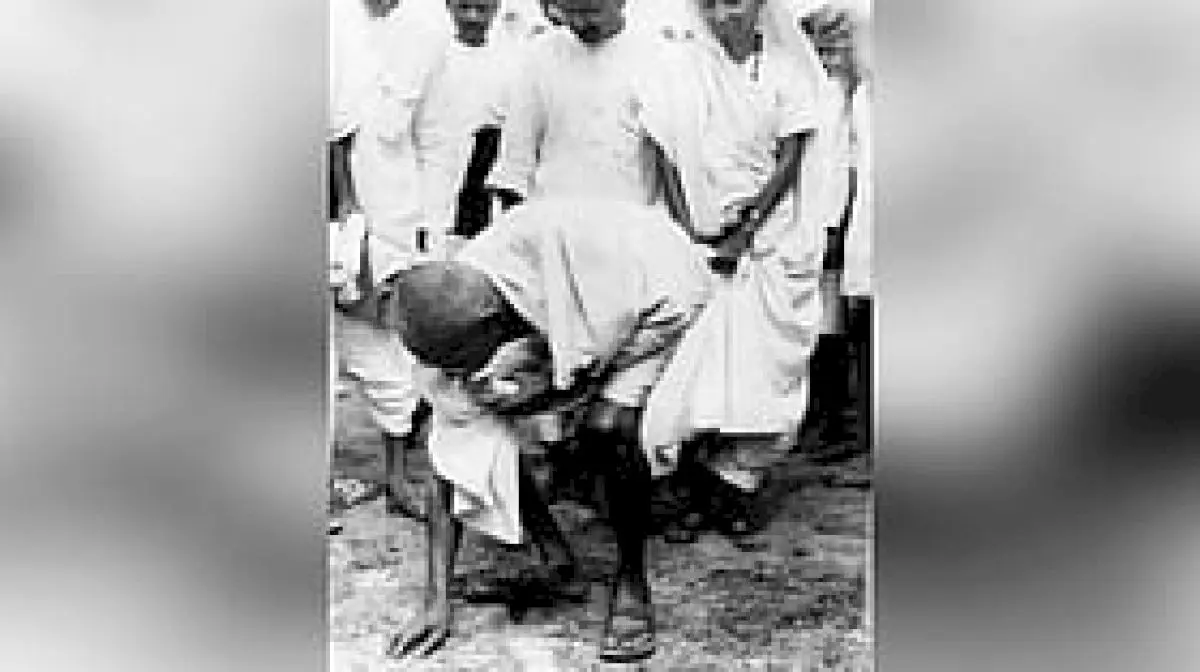
National Herald India has published two analytical pieces on resistance, exploring its historical roots and contemporary forms. One article, by Shailendra Chauhan, argues that resistance is essential to democratic life and that its effectiveness depends on breadth, unity, discipline, continuity, and legitimacy. It cites political science research showing non-violent mass campaigns are often more effective than violent ones, and draws lessons from India's freedom struggle, including both Gandhian satyagraha and revolutionary action.
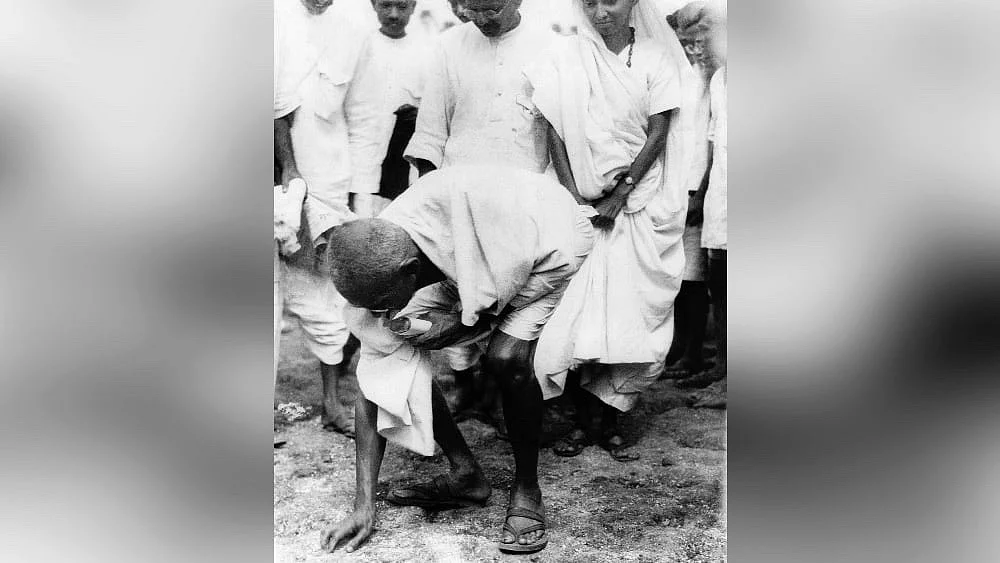
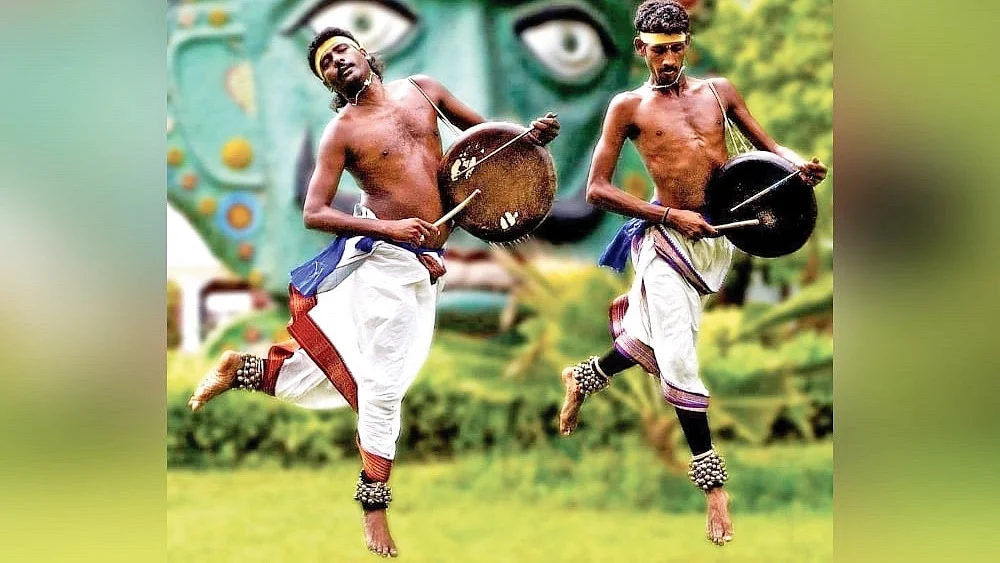
The second piece discusses the recent revival of practices like spinning the charkha and playing the parai as forms of political resistance. It notes how women have used the charkha in protests, including in support of MGNREGA, and how the parai, traditionally a Dalit instrument, is being reclaimed as a tool of resistance. The articles together argue that effective resistance requires sustained, organised action beyond one-day protests, and that new methods can emerge from lived experience.
Sources (2): nationalheraldindia.com, nationalheraldindia.com (2)
This story was synthesised by AI from the 2 sources linked above.
Updated: this story now draws on 2 sources.