












Now Reading: Gandhi’s 1948 fast made India pay Rs 55 crore to Pakistan
-
01
Gandhi’s 1948 fast made India pay Rs 55 crore to Pakistan



Mahatma Gandhi's final fast in January 1948 at Birla House in New Delhi forced the Indian government to release Rs 55 crore to Pakistan. The sum was Pakistan's share of the sterling…
The Story in Brief
Mahatma Gandhi's final fast in January 1948 at Birla House in New Delhi forced the Indian government to release Rs 55 crore to Pakistan. The sum was Pakistan's share of the sterling balances Britain owed undivided India. Of the Rs 75 crore owed, Rs 20 crore had already been paid.
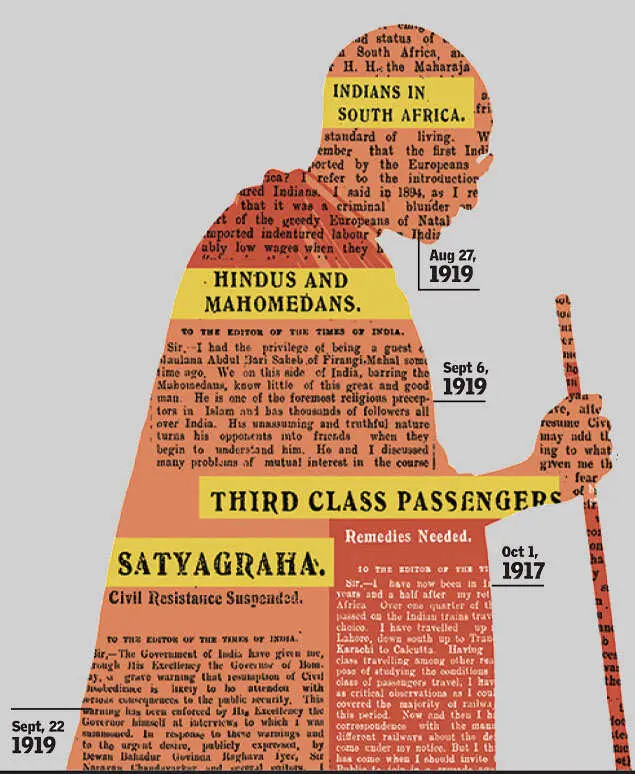
Gandhi argued India could not demand justice for minorities in Pakistan while withholding money legally due to it. The fast, which began on January 13, was aimed at stopping communal violence and securing rights for Muslims in India and Hindus and Sikhs in Pakistan. Gandhi ended the fast only after receiving assurances of 'communal reconciliation.'
The Indian Opinion
The Rs 55 crore payment is often framed as a naive or reckless act by Gandhi. But it was rooted in a straightforward question: how could India demand that Pakistan protect its minorities while refusing to honour a financial agreement? The sum was legally Pakistan's share of a common inheritance, not a charitable gift. Decades later, India's 1960 Indus Waters Treaty with Pakistan, which included a $174 million payment, followed a similar logic of honouring agreements despite conflict. The real test of Gandhi's approach is not in the crore amount but in whether India's leaders today would show the same consistency between their demands on others and their own actions.
Sources (2): timesofindia.indiatimes.com, indiatoday.in
This story was synthesised by AI from the 2 sources linked above.
Updated: this story now draws on 2 sources.