




















Now Reading: Nationalist media braved British repression to mobilise masses
-
01
Nationalist media braved British repression to mobilise masses


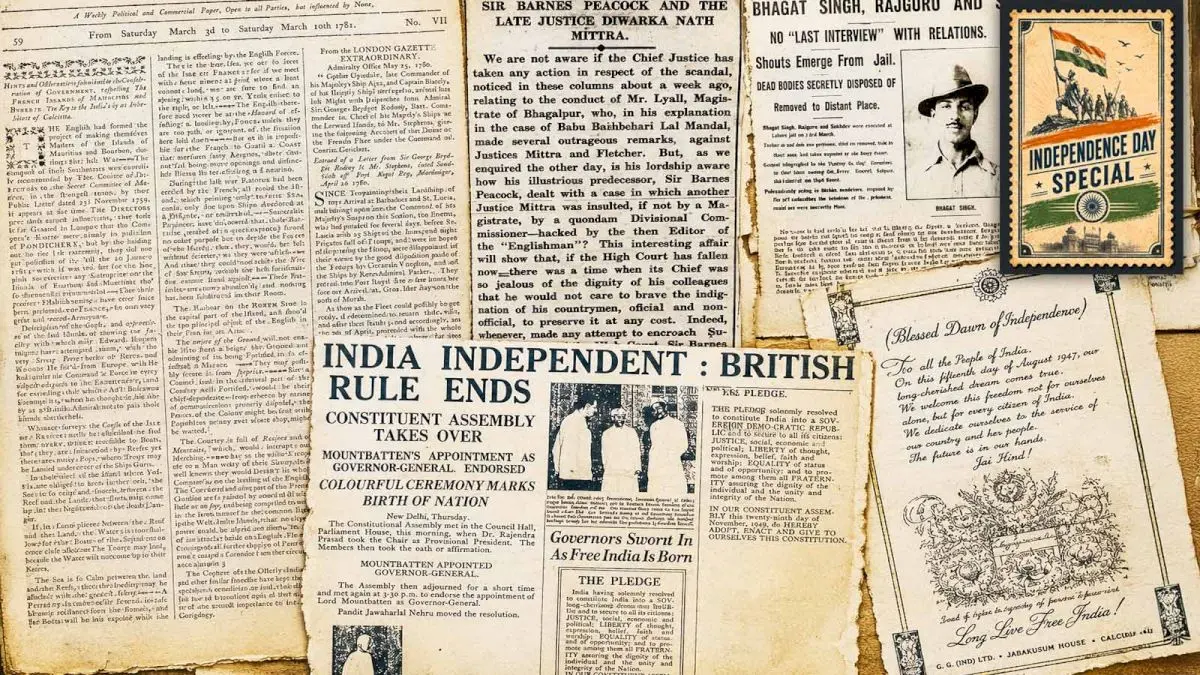
The Federal recounts how nationalist newspapers and journals mobilised Indians against British rule, despite severe repression. Bal Gangadhar Tilak was prosecuted thrice for sedition and deported to Mandalay for six years for…
The Story in Brief
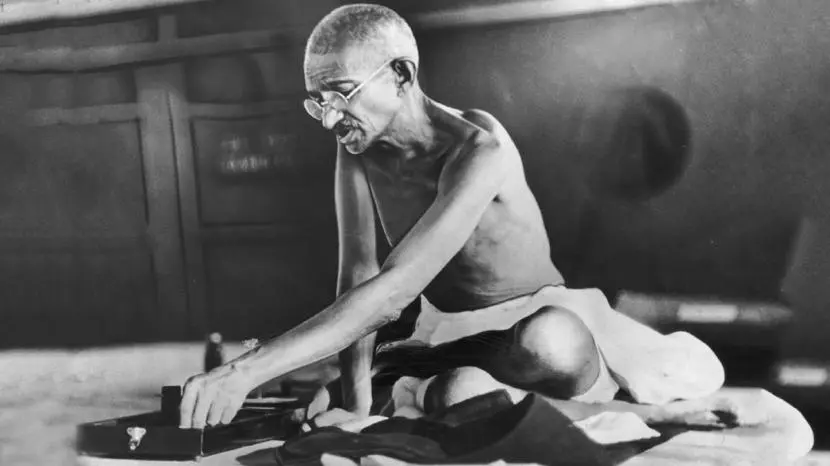
The Federal recounts how nationalist newspapers and journals mobilised Indians against British rule, despite severe repression. Bal Gangadhar Tilak was prosecuted thrice for sedition and deported to Mandalay for six years for his writings in Kesari. Mahatma Gandhi pleaded guilty in 1922 and got six years for articles in Young India.
The first Indian newspaper, Bengal Gazette, was shut in 1782 after criticising Governor-General Warren Hastings. Raja Ram Mohun Roy's Sambad Kaumudi and Mirat-ul-Akhbar challenged both British authority and Hindu orthodoxy, prompting the 1823 Press Regulations. The Bombay Samachar, launched in 1822, still publishes today.
The Indian Opinion
The heroic narrative of a fearless nationalist press is inspiring, but it papered over deep divides: the same Kesari that flogged Tilak's Hindutva also alienated many Muslims, and Gandhi's Young India was soft on caste oppression. Press freedom was never absolute; it served specific visions of nationhood. The real test today is not just resisting state pressure, but whether Indian media can hold power to account without becoming a cheerleader for any single ideology.
Source: thefederal.com
This story was synthesised by AI from the source linked above.