














Now Reading: Mumbai noise peaks at 107.8 dB despite fewer amplified processions
-
01
Mumbai noise peaks at 107.8 dB despite fewer amplified processions


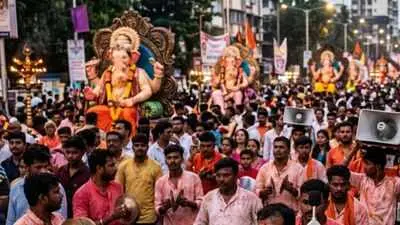
Mumbai's final Ganpati visarjan on Friday recorded a noise peak of 107.8 decibels at Bandra West, even as fewer processions used truck-mounted DJs and loudspeakers, according to Awaaz Foundation. The reading came…
Mumbai's final Ganpati visarjan on Friday recorded a noise peak of 107.8 decibels at Bandra West, even as fewer processions used truck-mounted DJs and loudspeakers, according to Awaaz Foundation. The reading came from an amplified banjo at 10.03 pm. At Worli, dhol-tasha without loudspeakers registered 94-107 dB. Awaaz also recorded a political party booth using loudspeakers at Girgaon Chowpatty registering 92-103 dB at 11.15 pm.
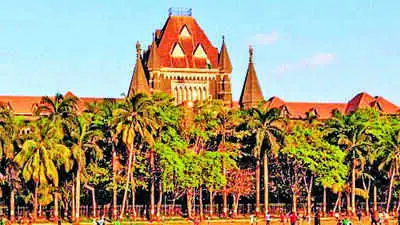
The Bombay High Court had taken suo motu cognisance of sound pollution during the Ganesh festival on September 21. Awaaz founder Sumaira Abdulali told Chief Minister Devendra Fadnavis that most mandals gave up DJs on trucks but political parties across the spectrum continued using loudspeakers beyond midnight and at high volumes. In Thane, 10,281 idols were immersed as noise at select points touched nearly 100 dB, though activists said use of DJs was lower this year. Nearly 70% of Thane idols were made of plaster of Paris, despite civic efforts to promote eco-friendly celebrations. Activists also said police and civic bodies failed to enforce high court directives during visarjan.
Indian Opinion Analysis
Both Times of India reports lead with the drop in truck-mounted DJs but differ in emphasis: the Mumbai piece leads with the 107.8 dB peak and political party loudspeakers, while the Thane piece foregrounds the lower noise compared to previous years. The Mumbai article frames the noise as a continued regulatory failure by political parties, while the Thane article presents the civic administration's data showing lower peaks and waste collection as partial success. Neither report verifies whether the recorded peaks violate statutory noise limits, which require ambient Leq measurement, not spot readings. The Bombay High Court's suo motu case, set for hearing, will test whether the midnight exemption or the actual noise rules are binding.
Coverage: 2 sources, 1 government-critical, 1 neutral
Sources (2): timesofindia.indiatimes.com (government critical), timesofindia.indiatimes.com (2) (neutral report)
This brief was synthesised by AI from the 2 sources linked above, so one read covers every framing they carry.
Updated: this story now draws on 2 sources.