











Now Reading: Genome study flags shrinking breeding population of Arunachali mithun
-
01
Genome study flags shrinking breeding population of Arunachali mithun


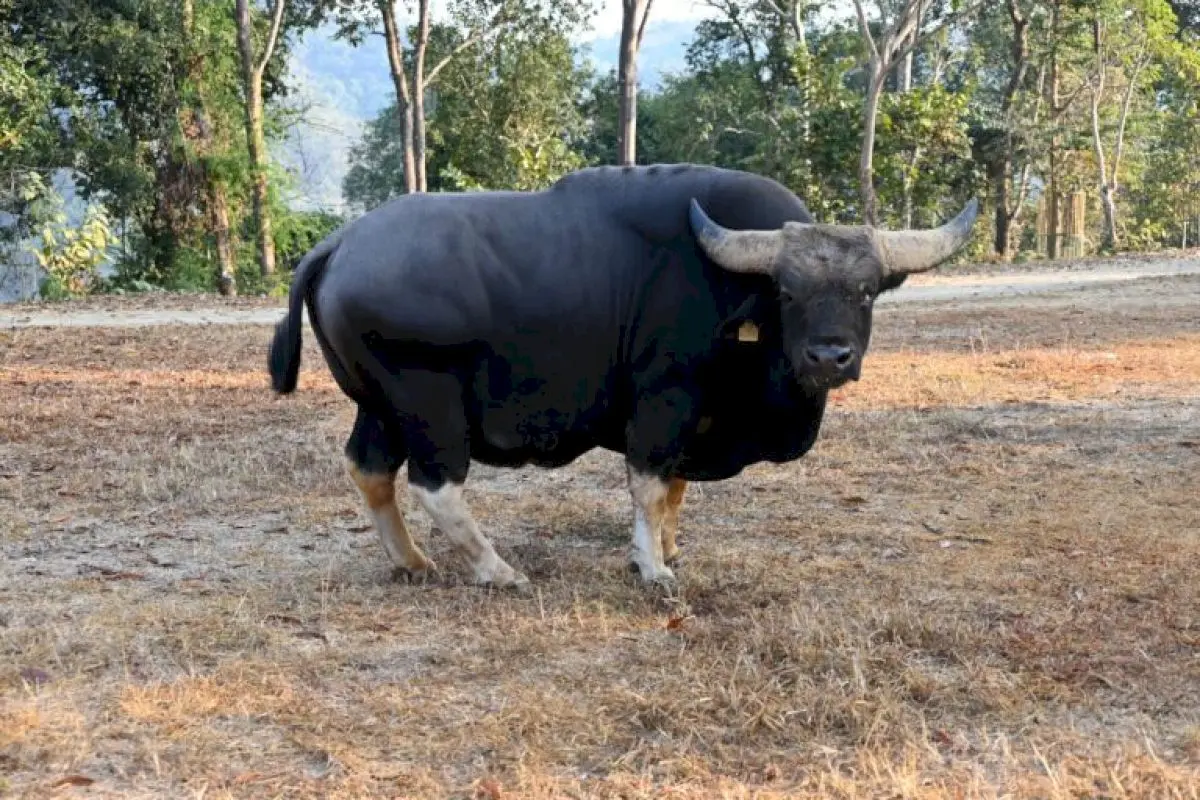
India's first whole-genome study of the Arunachali mithun, published in the International Journal of Molecular Sciences, reveals a long-term decline in the animal's effective breeding population. The ICAR-National Research Centre on Mithun…
The Story in Brief
India's first whole-genome study of the Arunachali mithun, published in the International Journal of Molecular Sciences, reveals a long-term decline in the animal's effective breeding population. The ICAR-National Research Centre on Mithun has identified a distinct population from Arunachal Pradesh's Siang region, proposed as the 'Siangmi' breed, potentially the world's second recognised mithun breed after the Nagami.
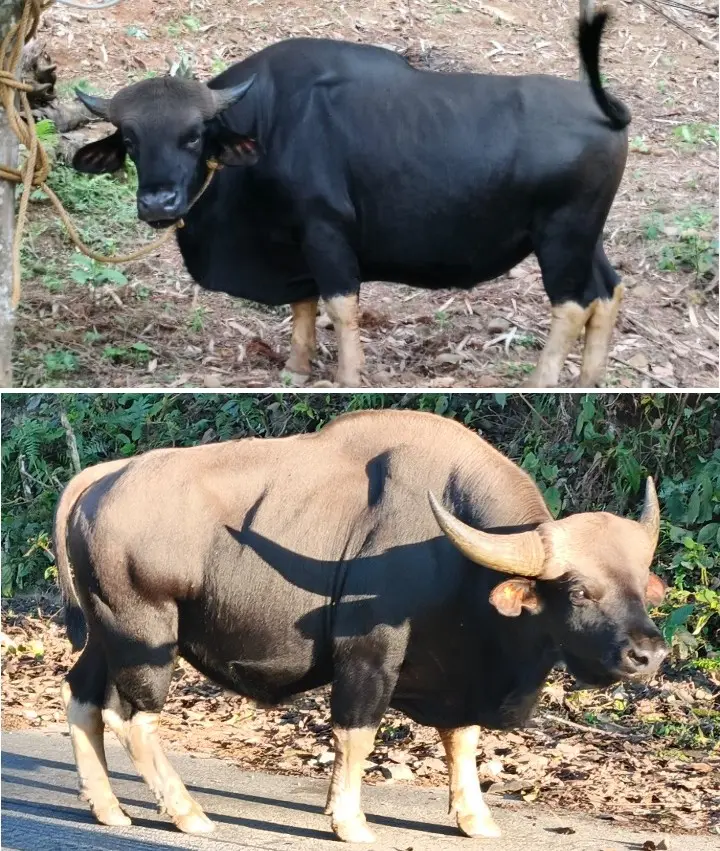
The study shows moderate genetic variation but warns that current observational management is insufficient. It calls for evidence-based practices like animal identification and parentage verification. Arunachal Pradesh hosts 70% of India's nearly 384,000 mithuns, but many owners now keep single-digit herds. The 20th Livestock Census (2019) found the remaining animals in Nagaland, Manipur and Mizoram.
The Indian Opinion
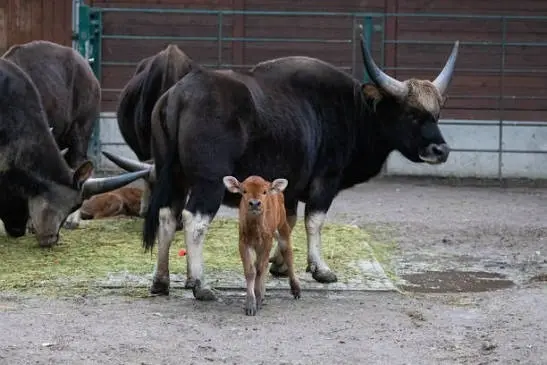
The shame John Pei Cander felt owning just four mithuns reveals a deeper loss: a breed sliding towards genetic bottleneck while no one is counting. The narrative that traditional animal husbandry is backward ignores that these semi-wild herds preserved genetic variation for centuries. The real test will come when the Siangmi breed is formally registered: will government schemes like the National Livestock Mission actually reach these remote owners, or remain paperwork?
Source: india.mongabay.com
This story was synthesised by AI from the source linked above.