














Now Reading: Glaw Lake Becomes India’s 101st Ramsar Site
-
01
Glaw Lake Becomes India’s 101st Ramsar Site


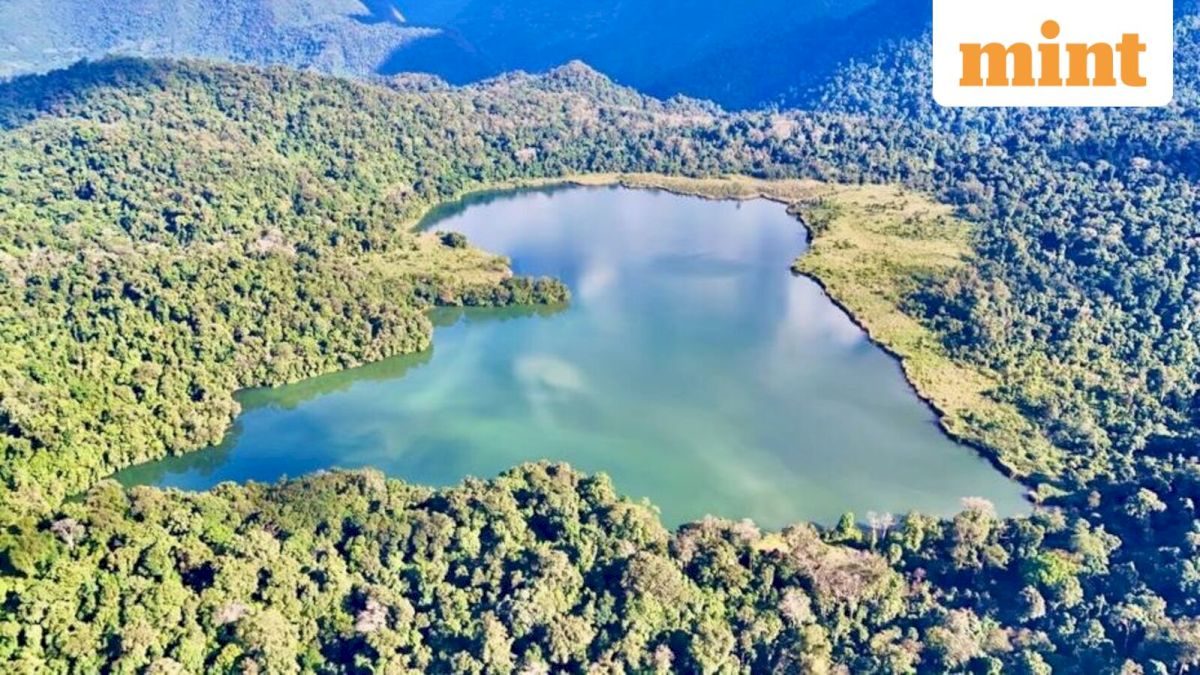
Glaw Lake in Arunachal Pradesh was designated India’s 101st Ramsar Site on 3 August, making it the state’s first wetland to receive the status. The freshwater lake lies within the Kamlang Tiger…
The Story in Brief
Glaw Lake in Arunachal Pradesh was designated India’s 101st Ramsar Site on 3 August, making it the state’s first wetland to receive the status. The freshwater lake lies within the Kamlang Tiger Reserve and Wildlife Sanctuary in the eastern Himalayas and is known for its biodiversity.
India joined the Ramsar Convention in 1982. Its designated sites have risen from 26 in 2014 to 101, with Tamil Nadu and Uttar Pradesh recording the highest numbers. Ramsar status can support monitoring, management, technical cooperation and eco-tourism, but it does not automatically bring legal protection or funding. Pollution, urbanisation, water stress and extreme weather remain threats, making local implementation important.
The Indian Opinion
Glaw Lake’s new status deserves attention, but claims that a Ramsar label will quickly restore wetland health are exaggerated without evidence of funding, monitoring and local planning. Calling the designation purely symbolic is also too dismissive, since it can improve visibility and cooperation. The practical test is whether authorities publish a management plan and show regular monitoring of the lake’s condition.
Source: livemint.com
This story was synthesised by AI from the source linked above.