












Now Reading: India reviews GLOF preparedness after Nepal glacier flood kills 1,200
-
01
India reviews GLOF preparedness after Nepal glacier flood kills 1,200


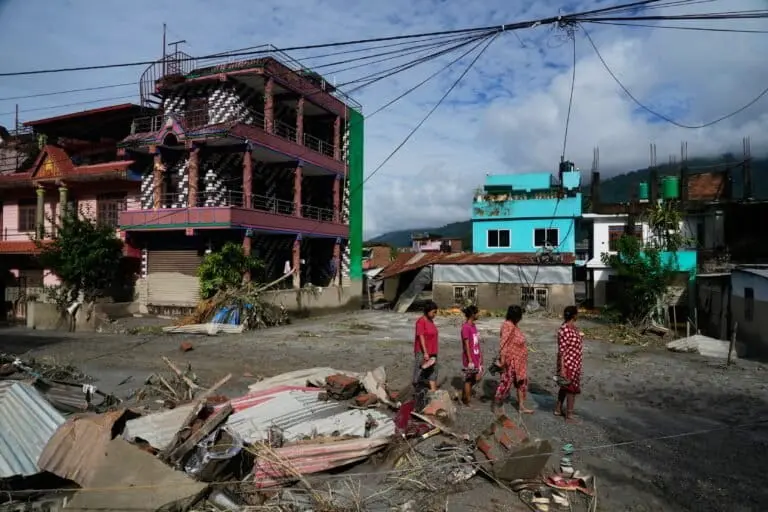
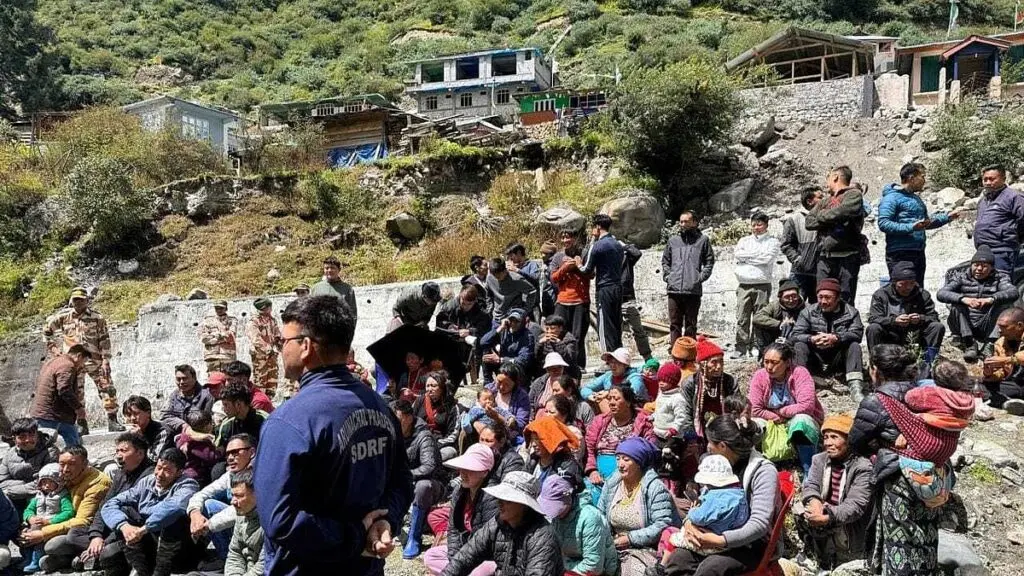
India's home secretary Govind Mohan on Thursday chaired a review of the country's preparedness for glacial lake outburst floods (GLOFs), days after a glacier collapse in Nepal triggered flash floods that killed…
India's home secretary Govind Mohan on Thursday chaired a review of the country's preparedness for glacial lake outburst floods (GLOFs), days after a glacier collapse in Nepal triggered flash floods that killed more than 1,200 people. The meeting included state officials, the National Disaster Management Authority, the Central Water Commission, the India Meteorological Department and the Defence Geoinformatics Research Establishment, according to a home ministry statement.
Officials decided to strengthen early warning and response systems. Mohan stressed that preparedness must move beyond response towards risk-informed planning, preventive mitigation and community-level action. The review focused on Himalayan states and Union territories, including Uttarakhand, Sikkim and Bihar, which share a 1,770 km border with Nepal.
The meeting comes as new research shows Himalayan glaciers are losing mass 65% faster than a decade ago, according to a Systemiq report. Only about 21 of an estimated 40,000 glaciers in the region are being monitored on a sustained basis. The report warns that glacier retreat, expanding glacial lakes and thawing permafrost are raising the risk of cascading disasters across the Hindu Kush Himalayan region.
Indian Opinion Analysis
Livemint leads with the home ministry review and frames the government as proactive, while Caliber.Az foregrounds the Systemiq report's warning that only 21 of 40,000 glaciers are monitored and that glacier melt is accelerating 65% faster. The critical account omits the review meeting, the pro-government account omits the monitoring gap. India has classified 56 glacial lakes as very high risk, but no source says whether the review meeting set a timeline for expanding monitoring coverage. The Central Water Commission's next risk assessment will show if action matches the scale of the gap.
Coverage: 3 sources, 1 pro-government, 1 government-critical, 1 neutral
Sources (3): india.mongabay.com (neutral report), caliber.az (government critical), livemint.com (pro government)
This brief was synthesised by AI from the 3 sources linked above, so one read covers every framing they carry.
Updated: this story now draws on 3 sources.