











Now Reading: Google Pixel 11 Pro Fold vs Samsung Galaxy Z Fold 8: Price, Specs Compared
-
01
Google Pixel 11 Pro Fold vs Samsung Galaxy Z Fold 8: Price, Specs Compared

Google Pixel 11 Pro Fold vs Samsung Galaxy Z Fold 8: Price, Specs Compared

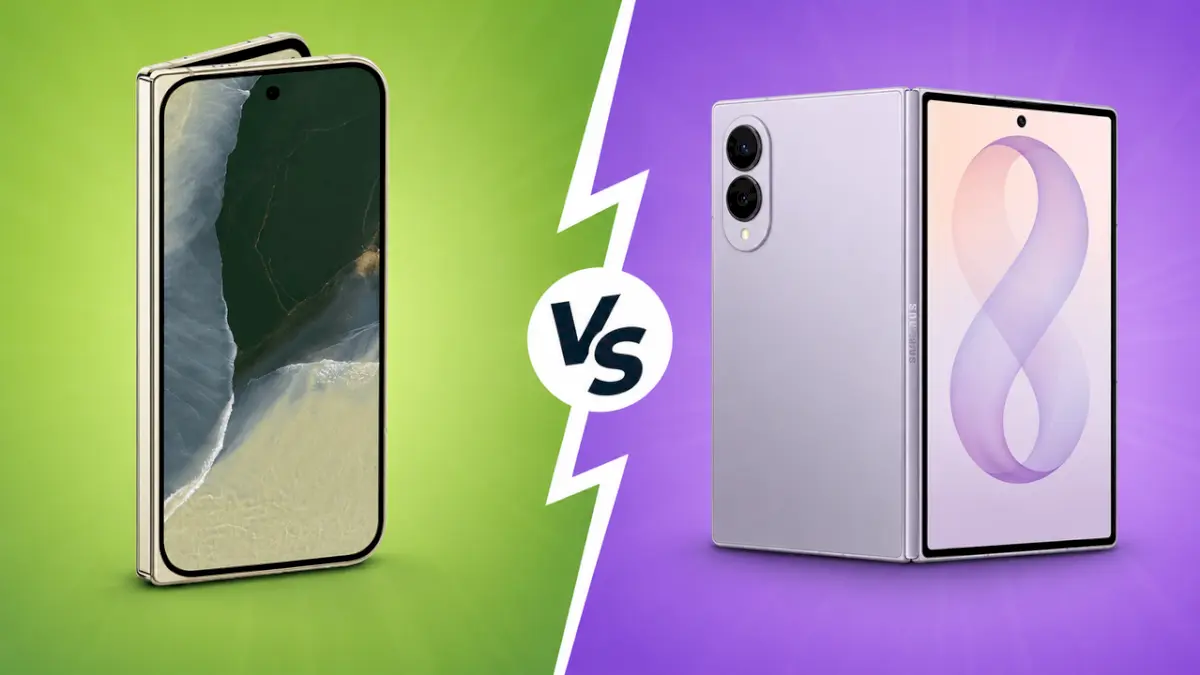
Google launched the Pixel 11 Pro Fold globally on Wednesday, with a starting price of Rs 1,86,999 in India. The Samsung Galaxy Z Fold 8, launched last month, starts at Rs 1,79,999…
The Story in Brief
Google launched the Pixel 11 Pro Fold globally on Wednesday, with a starting price of Rs 1,86,999 in India. The Samsung Galaxy Z Fold 8, launched last month, starts at Rs 1,79,999 according to Aaj Tak, but Times Now reports Rs 1,84,999. Both phones have 120Hz displays: the Pixel has a 6.5-inch cover and 8-inch inner screen, while the Samsung has a 5.5-inch cover and 7.6-inch inner screen. The Pixel uses Google's Tensor G6 chip with 16GB RAM, while the Samsung uses Snapdragon 8 Elite Gen 5 with 12GB or 16GB RAM. Times Now says the Samsung has no dedicated telephoto lens, but Aaj Tak reports a 10MP telephoto. Battery figures also differ: 4,750mAh (Times Now) vs 4,806mAh (Aaj Tak) for the Pixel, and Samsung's 4,800mAh with 45W wired charging.
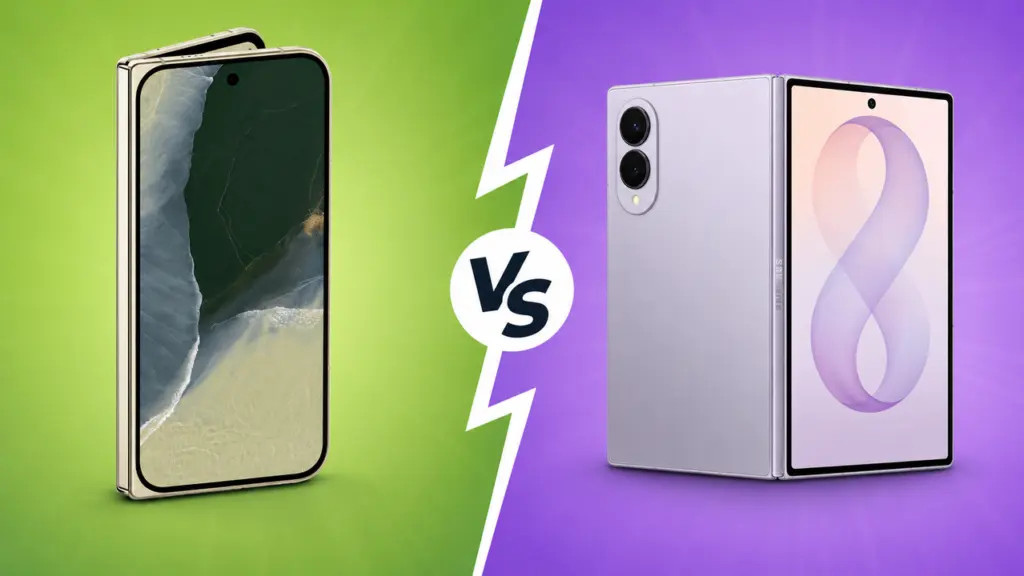
The Indian Opinion
The foldable phone market is heating up, but both the Pixel 11 Pro Fold and Galaxy Z Fold 8 have their flaws. Claims that the Samsung is a clear winner ignore the Pixel's superior camera versatility and larger inner screen. Conversely, Google's higher price and questionable battery capacity figures need scrutiny. The real test will be independent battery life and camera comparisons, not just spec sheets. Which phone will handle daily usage better?
Sources (2): timesnownews.com, aajtak.in
This story was synthesised by AI from the 2 sources linked above.
Updated: this story now draws on 2 sources.