Now Reading: Google wearables now track insulin resistance risk
-
01
Google wearables now track insulin resistance risk


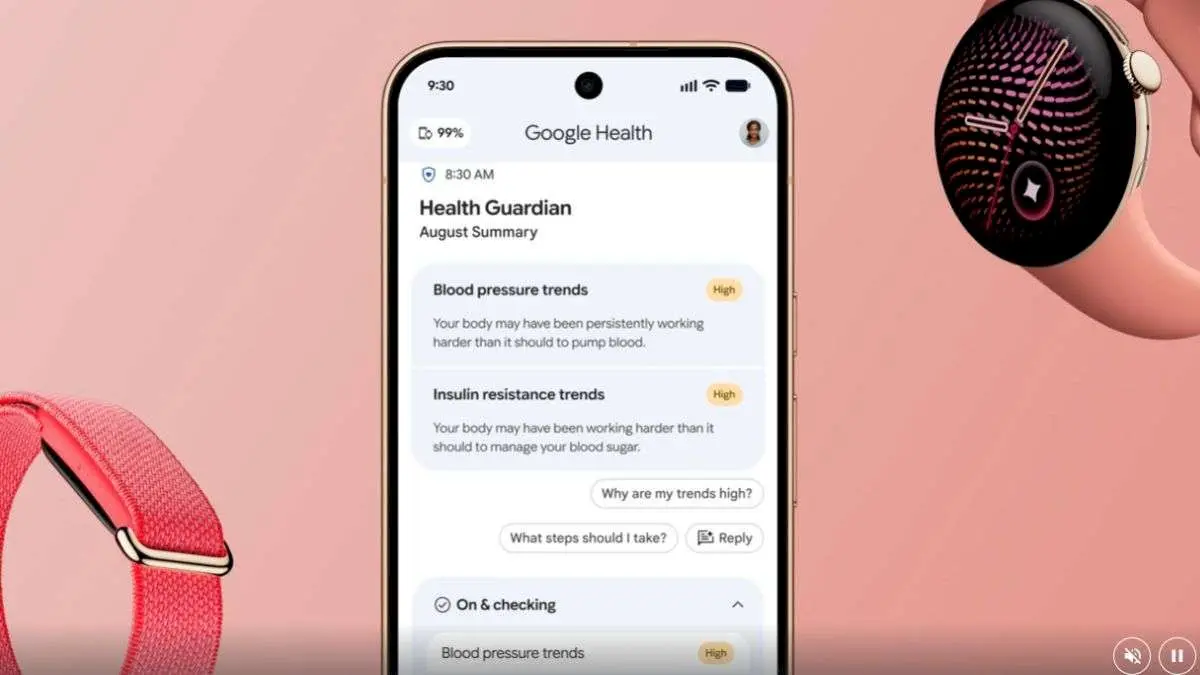
Google has added insulin resistance tracking to its wearable devices, using AI and multiple sensors to detect changes in body signals that may indicate shifts in insulin resistance. The feature, reported by…
The Story in Brief
Google has added insulin resistance tracking to its wearable devices, using AI and multiple sensors to detect changes in body signals that may indicate shifts in insulin resistance. The feature, reported by India TV News, does not measure blood glucose directly or provide continuous sugar readings.
Instead, it analyses patterns from onboard sensors to flag potential metabolic changes. The update applies to Google's range of wearables, including Fitbit and Pixel Watch models. Users are advised that this is a risk assessment tool, not a medical diagnostic device.
The Indian Opinion
Tech companies love to brand every health feature as revolutionary, but this insulin resistance tracker is a modest step. It is not a glucose monitor, yet some headlines may blur that line. Pushback is needed: without clinical validation data, users should treat it as a lifestyle nudge, not a diagnosis. The real test will be whether Google publishes peer-reviewed accuracy studies against standard HOMA-IR measurements. Until then, scepticism is healthy.
Source: indiatvnews.com
This story was synthesised by AI from the source linked above.