









Now Reading: Groundnut acreage up 9% as cotton-hit Punjab farmers switch
-
01
Groundnut acreage up 9% as cotton-hit Punjab farmers switch


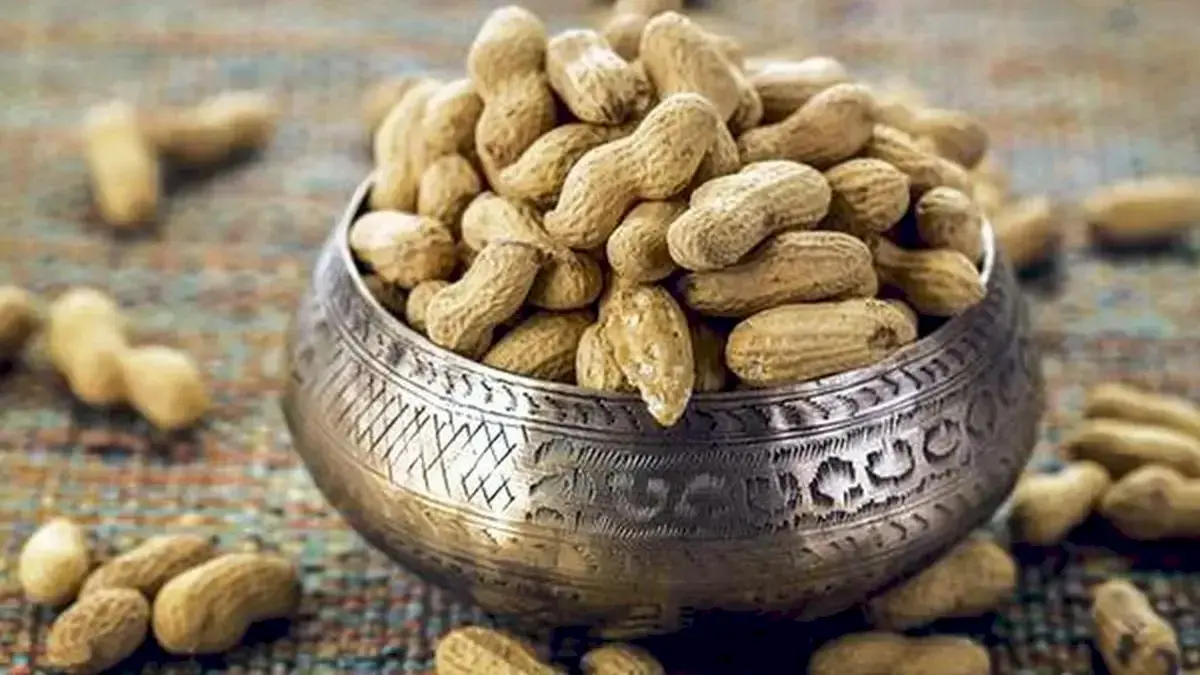
National groundnut acreage in the kharif season has risen nearly 9% to 46.82 lakh hectares, as of August 7, from 43.11 lakh hectares a year ago, driven by farmers in Uttar Pradesh,…
The Story in Brief
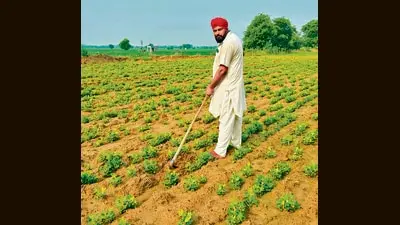
National groundnut acreage in the kharif season has risen nearly 9% to 46.82 lakh hectares, as of August 7, from 43.11 lakh hectares a year ago, driven by farmers in Uttar Pradesh, Madhya Pradesh and Rajasthan following widespread monsoon and last year's MSP procurement. Gujarat and Karnataka saw declines due to rainfall deficits. Separately, in Bathinda, Punjab, farmers disappointed by repeated cotton failures from pests and erratic weather are testing groundnut as an alternative. The crop needs far less water than cotton or paddy, with just 3-4 irrigation cycles, and reaches maturity in 105-120 days. Officials from Punjab Agricultural University have provided the G40 variety, and first-time growers report yields of 7 quintals per acre with returns roughly 2.5 times investment.
The Indian Opinion
Optimism about groundnut as a saviour for water-stressed regions overlooks two realities. The national acreage rise is driven by central and northern states, not the parched fields of Punjab where adoption is still tiny. MSP procurement last year was concentrated in Gujarat, not for small Bathinda farmers. The real test will come at harvest: can local mandis offer prices above Rs 7,000 per quintal without government support, or will the Bathinda pioneers revert to cotton if the market fails them?
Sources (2): thehindubusinessline.com, hindustantimes.com
This story was synthesised by AI from the 2 sources linked above.
Updated: this story now draws on 2 sources.