













Now Reading: US turns 56 million gallons of Cold War waste into glass
-
01
US turns 56 million gallons of Cold War waste into glass



The Times of India reports that in October 2025, the Hanford Tank Waste Treatment and Immobilisation Plant in Washington state trapped real nuclear waste in glass for the first time. The plant…
The Story in Brief
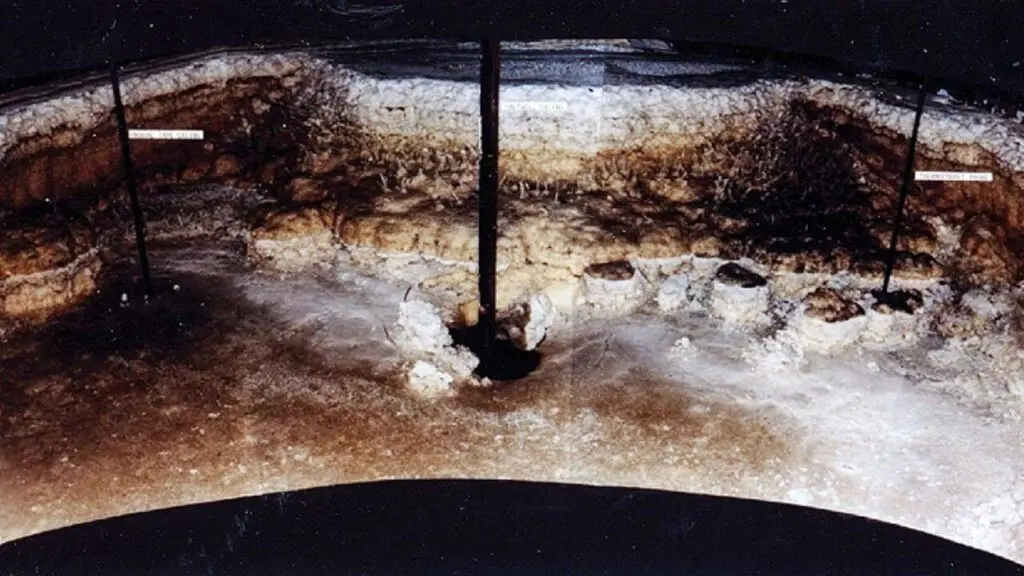
The Times of India reports that in October 2025, the Hanford Tank Waste Treatment and Immobilisation Plant in Washington state trapped real nuclear waste in glass for the first time. The plant will turn 56 million gallons of highly radioactive waste from Cold War plutonium production into 4.2 metric tons of glass daily. The waste, stored in 177 underground tanks since the 1940s, was left after the US processed more than 100,000 tons of uranium to produce 75 tons of plutonium at the Hanford Site. Some tanks have leaked, raising concerns about groundwater contamination. Vitrification locks the radioactive material into a stable form that can last thousands of years.
The Indian Opinion
The story of Hanford is a cautionary tale, not a triumph. The US spent decades producing plutonium and then decades more failing to clean up the waste. Now, with vitrification finally starting, news reports celebrate a technological breakthrough, but they gloss over the 56 million gallons still sitting in leaky tanks. An ordinary Indian reader might ask: if the world’s most advanced nuclear power took 40 years to begin fixing its mess, how confident should we be about India’s own waste management at places like Kalpakkam? The real test will be whether the Vit Plant consistently processes its promised 4.2 metric tons per day without accidents.
Source: timesofindia.indiatimes.com
This story was synthesised by AI from the source linked above.
Updated: this story now draws on 1 sources.