








Now Reading: Arctic ice edge found to create 50 times more cloud seeds
-
01
Arctic ice edge found to create 50 times more cloud seeds



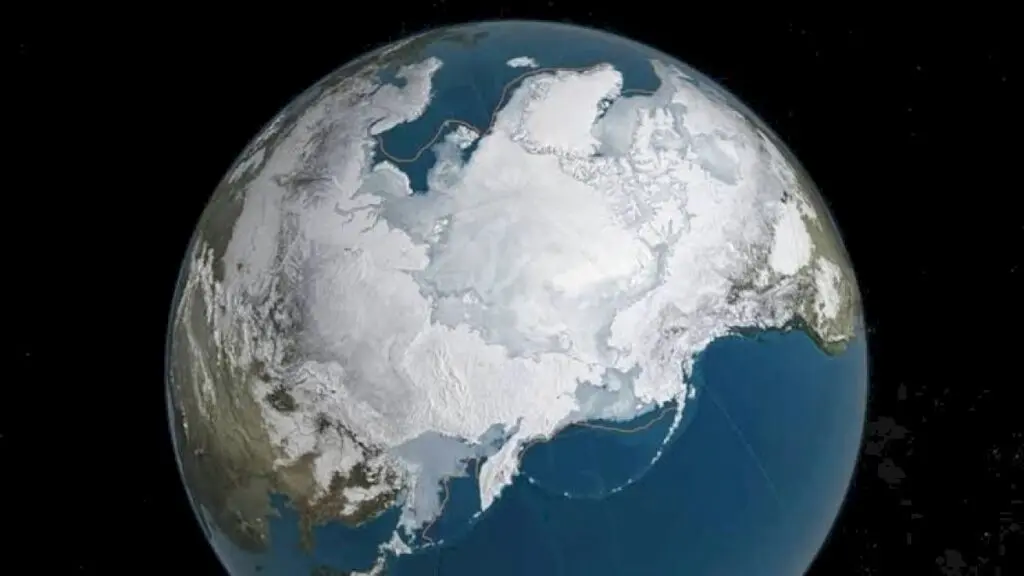
A Nature Geoscience study has found that the boundary between melting sea ice and open water can sharply increase cloud-forming particles in the Arctic. During a 2022 expedition around Greenland and the…
The Story in Brief
A Nature Geoscience study has found that the boundary between melting sea ice and open water can sharply increase cloud-forming particles in the Arctic. During a 2022 expedition around Greenland and the Davis Strait, researchers recorded concentrations rising from about 50 to 1,500 particles per cubic centimetre in one event. The particles formed through sunlight-driven reactions involving iodine, sulphur and organic compounds released by marine life and surrounding waters.
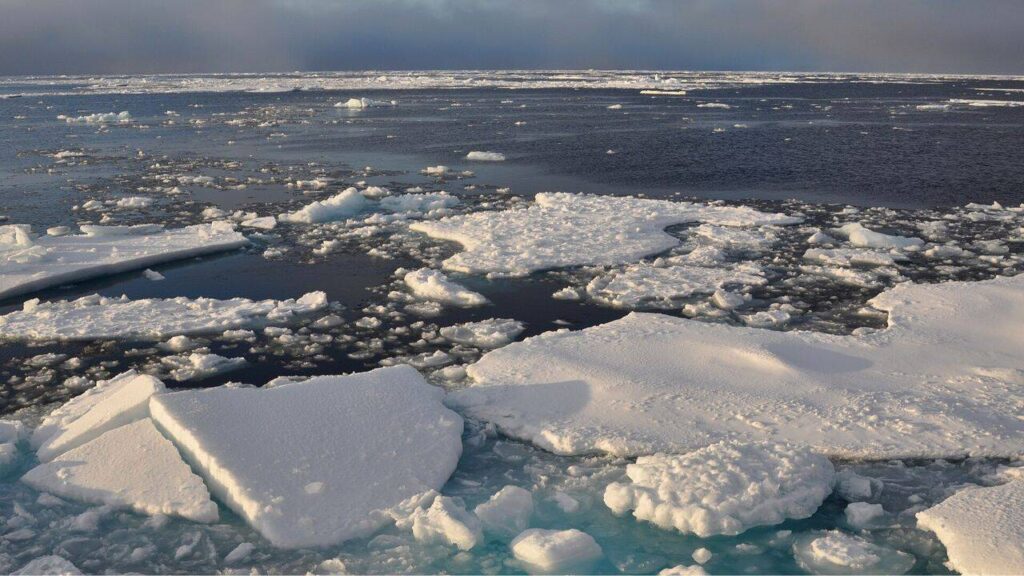
The team, led by the University of Birmingham, found that newly formed particles grew beyond 20 nanometres on eight of 13 nucleation days. The discovery could improve climate models, but the effect on warming is not simple. Clouds can reflect sunlight and cool the surface, or trap heat and encourage ice melt.
The Indian Opinion
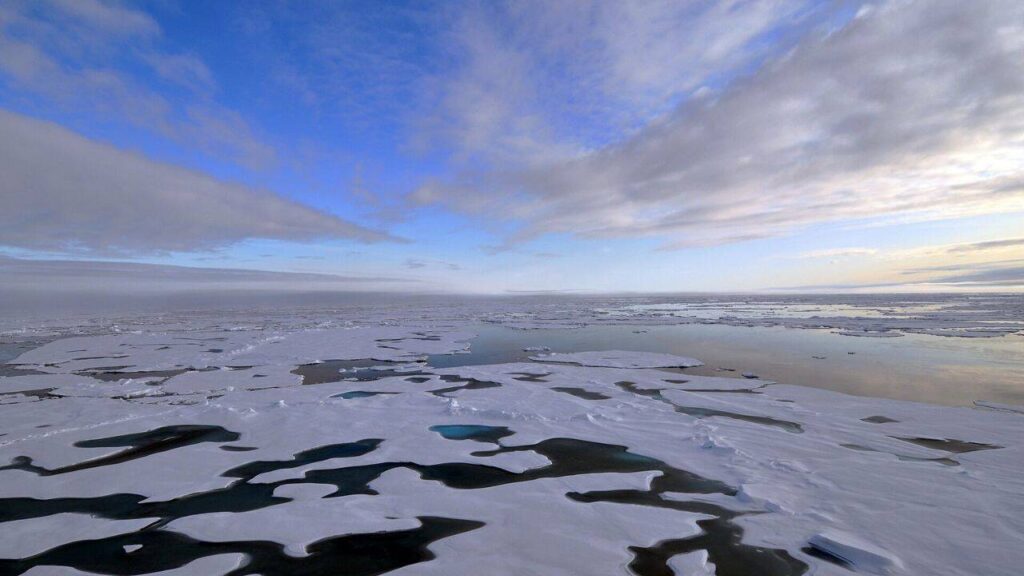
The lazy claim that every new Arctic cloud will cool the planet is as weak as the opposite claim that melting ice must always accelerate warming. Clouds can do both, depending on their height, thickness and season. This study identifies a real process, not its final climate effect. The useful test is whether future models reproduce the observed jump from 50 to 1,500 particles and its effect on ice loss.
Source: timesofindia.indiatimes.com
This story was synthesised by AI from the source linked above.