














Now Reading: Strait of Hormuz talks stall as Iran sets sweeping demands on US
-
01
Strait of Hormuz talks stall as Iran sets sweeping demands on US

Strait of Hormuz talks stall as Iran sets sweeping demands on US


Iran has presented five sweeping demands to the United States for reopening the Strait of Hormuz, including lifting the naval blockade, removing sanctions, withdrawing US military forces, paying war reparations, and releasing…
The Story in Brief
Iran has presented five sweeping demands to the United States for reopening the Strait of Hormuz, including lifting the naval blockade, removing sanctions, withdrawing US military forces, paying war reparations, and releasing frozen Iranian assets. The demands, issued by Supreme National Security Council secretary Mohammad Bagher Zolghadr, came as Iran and Oman continued talks on managing the strategic waterway. Iranian officials stressed that the negotiations with Oman are not enough to reopen the strait without US acceptance of Tehran's conditions.
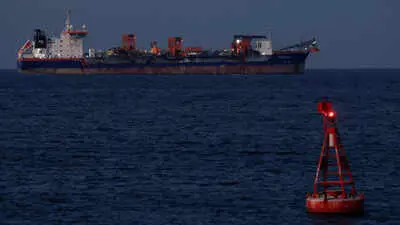
The UAE accused Iran of firing a missile at an ADNOC tanker transiting the Strait of Hormuz on Saturday, though no casualties were reported. ADNOC said more than a dozen of its vessels have been attacked since the US-Israel war on Iran began in February, killing one crew member and wounding 20. Traffic through the strait, which carried a fifth of global oil and LNG before the conflict, has slumped to just 33 vessels this week from 50 the week before. The UK Maritime Trade Operations separately reported a vessel struck by a projectile off Oman, causing a fire that was extinguished.
The Indian Opinion
The narrative from Iran that the Strait of Hormuz will open only when the US accepts its entire wishlist, lifting sanctions, paying reparations, withdrawing forces, feels less like negotiation and more like a maximalist shopping list. Tehran is using a global energy chokehold to extract concessions far beyond what the June ceasefire envisioned. On the other side, US officials talk of a deal being close, yet attacks on commercial vessels continue. The real test is whether Washington can separate Iran's inflated demands from a practical shipping arrangement that Oman seems ready to broker. If shipping through Hormuz stays at 33 vessels a week instead of the pre-war 50 a day, the question will be: who flinches first, the White House with midterm elections looming, or Tehran running out of economic runway?
Sources (5): thehindu.com, thehindu.com (2), thehindu.com (3), livemint.com, timesnownews.com
This story was synthesised by AI from the 5 sources linked above.
Updated: this story now draws on 5 sources.