













Now Reading: HSPCB tells NGT fake e-Ravana permits not its job
-
01
HSPCB tells NGT fake e-Ravana permits not its job


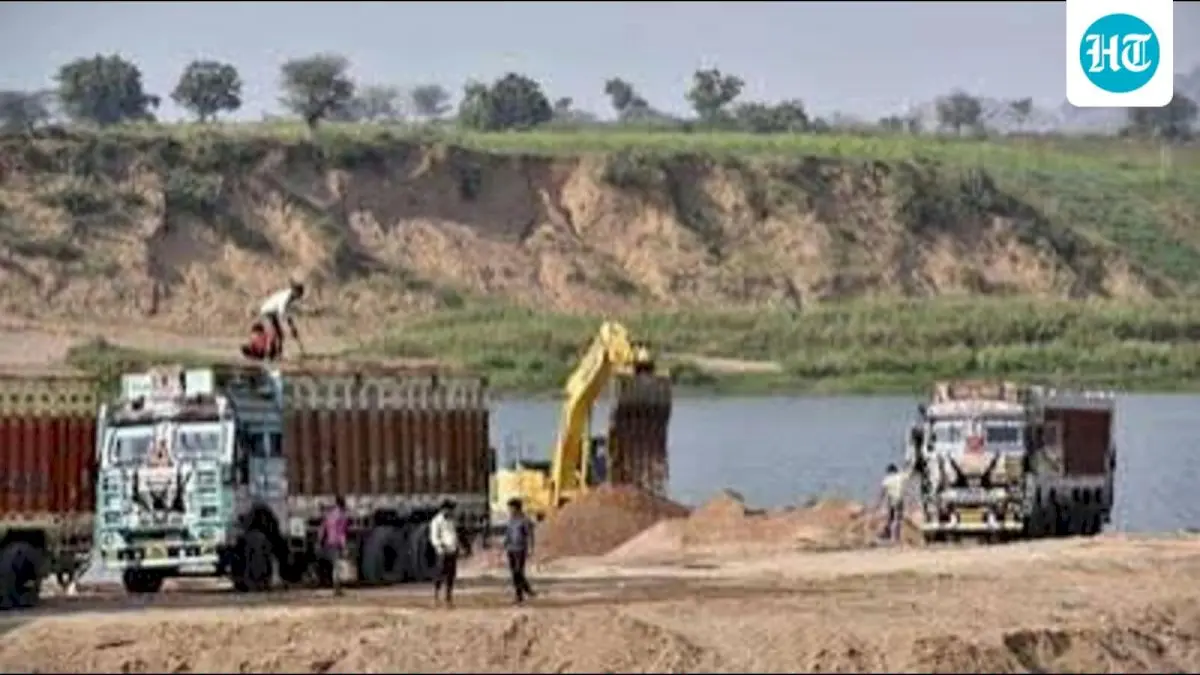
The Haryana State Pollution Control Board has told the National Green Tribunal that verifying fake e-Ravana permits for illegal mining is the mines department's job, not its own. In a reply on…
The Story in Brief
The Haryana State Pollution Control Board has told the National Green Tribunal that verifying fake e-Ravana permits for illegal mining is the mines department's job, not its own. In a reply on August 12, the board's regional officer Virender Punia said deciding whether bills are genuine and examining portal misuse falls outside HSPCB's jurisdiction.
Allegations include 4,095 fake e-Ravana bills for 1,63,800 metric tonnes of minerals generated in May 2023 despite no extraction, and another 5,70,932 MT between May and September 2025. The board said the Dhanaura mining block contract was suspended from June 2023 to February 2025, after which a company got consent to operate in March 2025. It also said no replenishment study was needed in 2024 as the unit was non-operational.
The Indian Opinion
The pollution board is technically correct about its limited remit, but the public will see this as buck-passing while lakhs of tonnes of minerals vanish. The narrative of bureaucratic silos protecting illegal mining has real force here. The real test is whether the mines department acts swiftly and transparently on the NGT proceedings, or if this becomes another file gathering dust. Will the tribunal force joint accountability? That question matters more than jurisdiction.
Source: hindustantimes.com
This story was synthesised by AI from the source linked above.