


















Now Reading: IIA model may improve solar storm warnings as CME nears Earth
-
01
IIA model may improve solar storm warnings as CME nears Earth



A moderate geomagnetic storm is expected to hit Earth on Monday, August 17, after a solar eruption on August 14 sent a coronal mass ejection (CME) toward the planet, India Today reports. The CME is forecast to deliver only a glancing blow to Earth's magnetic field, triggering a G1-class storm, the lowest on NOAA's five-level scale. While minor, it could enhance aurora displays across northern North America and Europe. The Sun has been unusually active as it moves through an active phase of its 11-year cycle.
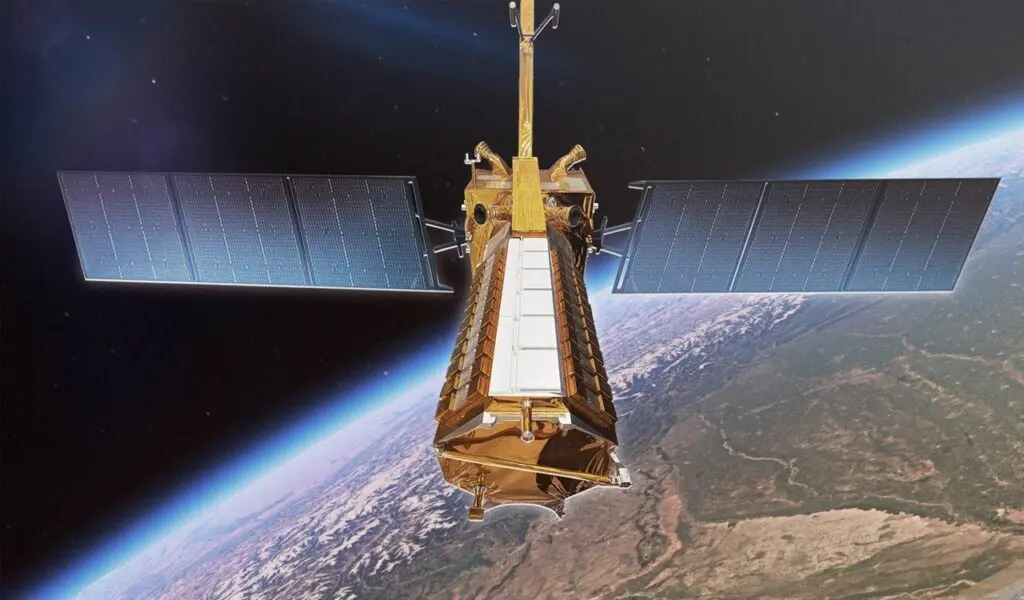
Separately, researchers at the Indian Institute of Astrophysics (IIA) in Bengaluru have developed a 3D computer model that could improve forecasts of how fast CMEs travel, the Times of India reports. The model tracks magnetic reconnection inside the Sun's outer atmosphere, which the team found is directly linked to CME acceleration. The study, published in the Astrophysical Journal, uses NASA satellite data and was carried out with collaborators in the US and Finland. Scientists say the findings could help predict the arrival and impact of future solar storms before they reach Earth.
Indian Opinion Analysis
On this story, both outlets deliver neutral straight reporting. The Times of India piece leads with the IIA model's scientific promise, treating the CME itself as context and ending on the value for future forecasting. India Today leads with the immediate G1 storm event, naming a date and NOAA scale, and treats the science as background. Neither outlet criticises the government, takes a political stance, or dramatises beyond the facts. The careful reader can take both as complementary: one covers the real-time event, the other the long-term research. Watch for NOAA's actual storm arrival confirmation on Monday, which will test the IIA model's predictions about CME speed and impact.
Coverage: 2 sources, 2 neutral
Sources (2): timesofindia.indiatimes.com (neutral report), indiatoday.in (neutral report)
This story was synthesised by AI from the 2 sources linked above. Methodology and corrections.
Updated: this story now draws on 2 sources.