








Now Reading: RRI scientists predict petal-like corona structures during eclipse
-
01
RRI scientists predict petal-like corona structures during eclipse

RRI scientists predict petal-like corona structures during eclipse

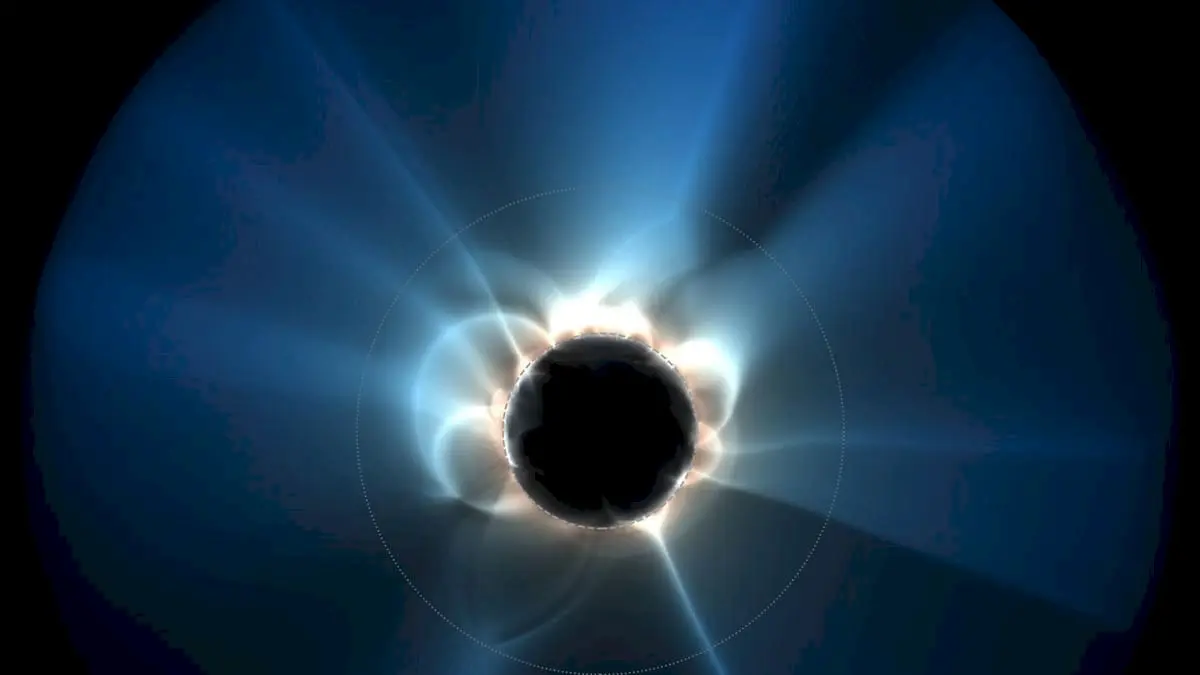
Solar physicists at the Raman Research Institute (RRI) in Bengaluru have predicted that the Sun's corona will display multiple large-scale petal-like structures during the total solar eclipse on August 12, 2026. The…
The Story in Brief
Solar physicists at the Raman Research Institute (RRI) in Bengaluru have predicted that the Sun's corona will display multiple large-scale petal-like structures during the total solar eclipse on August 12, 2026. The team, led by senior professor Dibyendu Nandi, used two distinct computational models to forecast the magnetic field structure of the corona, which is usually too faint to observe without the Moon blocking the Sun's bright disk.
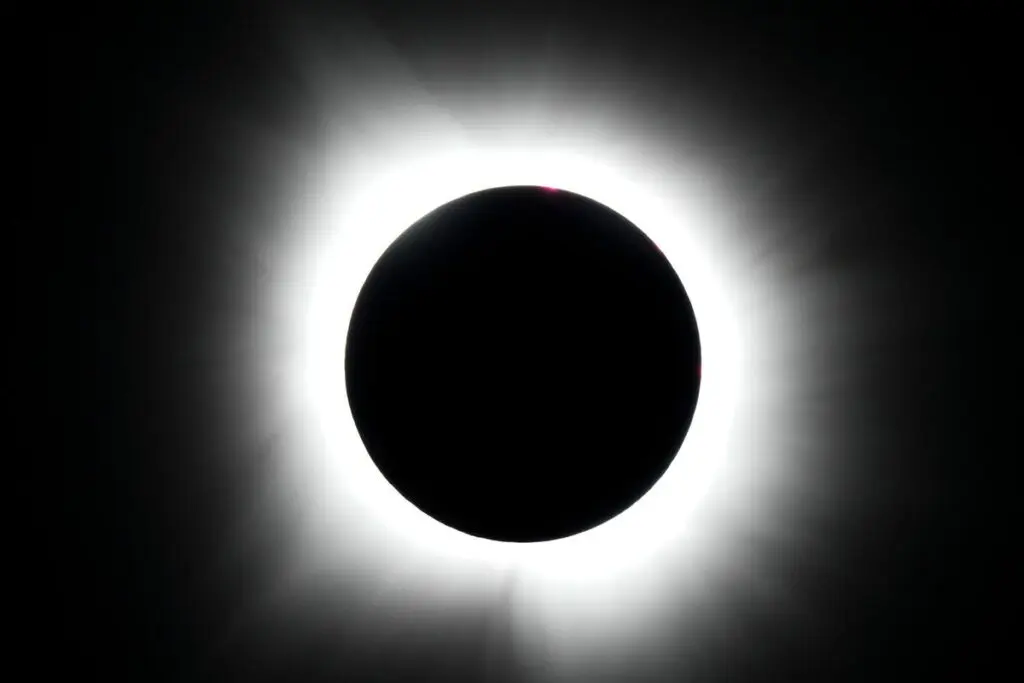
The prediction, based on data up to August 10, suggests a complex and spectacular corona if correct. Such models help scientists understand solar storms, flares, and coronal mass ejections that can disrupt power grids, communications, and satellites. The eclipse will be visible from parts of Europe but not from India, as it occurs during night hours.
The Indian Opinion
Solar eclipses often draw public awe, but the real story is the science behind them. The RRI prediction shifts focus from spectacle to testing rigorous models of solar magnetism. Any narrative that reduces eclipses to mere tourist events misses this point. The real test comes on August 12: will telescopic observations match the simulated petals? If yes, it strengthens India's hand in space-weather forecasting. If not, the model gets refined.
Source: thehindu.com
This story was synthesised by AI from the source linked above.