












Now Reading: IIT Guwahati develops E-Eye to detect cancer-causing toxicants in water
-
01
IIT Guwahati develops E-Eye to detect cancer-causing toxicants in water


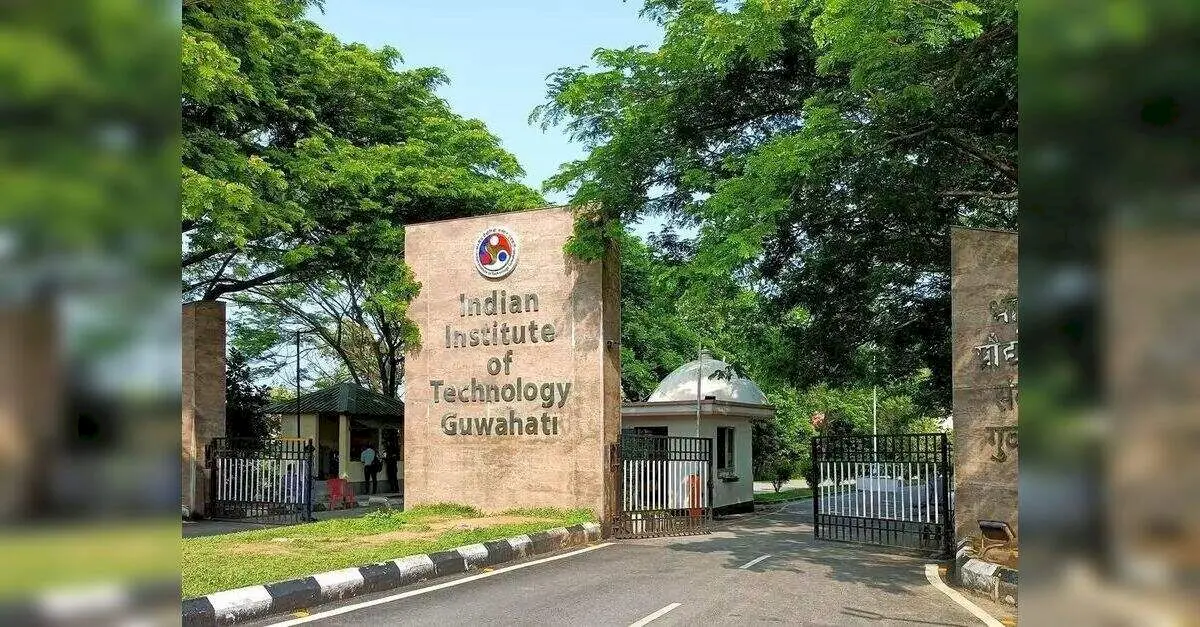
IIT Guwahati researchers have created E-Eye, a portable optical device that detects cancer-causing heavy metals and bacteria in water within minutes. The device costs Rs 3,500 with each test at Rs 2,…
The Story in Brief
IIT Guwahati researchers have created E-Eye, a portable optical device that detects cancer-causing heavy metals and bacteria in water within minutes. The device costs Rs 3,500 with each test at Rs 2, matching lab-grade accuracy of spectrophotometers. It supports the government's Jal Jeevan Mission by enabling on-site water quality checks.

The battery-operated E-Eye uses a chemical reaction to measure colour intensity linked to toxicant concentration. It detects arsenic, lead, iron, chromium, fluoride and E. coli. Over 2,700 samples have been tested successfully. The team, backed by MeitY grants, plans solar integration and cloud connectivity to enable remote monitoring. A startup called ENVIONIX Labs will commercialise the technology.
The Indian Opinion
The E-Eye is a welcome innovation for rural India where lab access is sparse. Jal Jeevan Mission's tap water goals hinge on reliable field tests. Critics often fault such missions for poor monitoring; this tool plugs that gap cheaply. The real test lies in mass production and panchayat-level deployment. How many such devices will actually reach the last mile by 2027?
Source: health.economictimes.indiatimes.com
This story was synthesised by AI from the source linked above.