







Now Reading: IIT Guwahati develops Rs 3,500 device to test water contaminants
-
01
IIT Guwahati develops Rs 3,500 device to test water contaminants


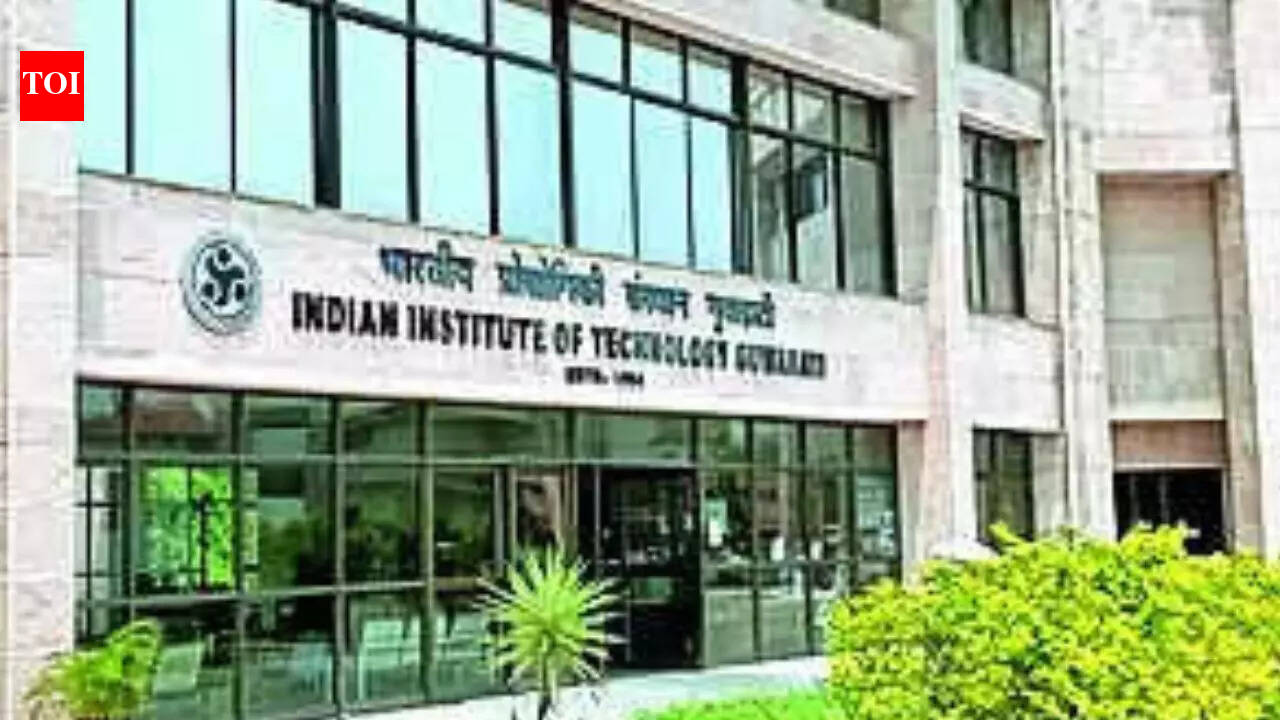
IIT Guwahati researchers have developed E-Eye, a portable device that detects arsenic, lead, iron, chromium, fluoride and E. coli in water. The device costs about Rs 3,500, with each test costing around…
The Story in Brief
IIT Guwahati researchers have developed E-Eye, a portable device that detects arsenic, lead, iron, chromium, fluoride and E. coli in water. The device costs about Rs 3,500, with each test costing around Rs 2. It uses a chemical reaction and optical sensing to measure contaminants, display digital results and transmit data wirelessly to treatment facilities. The team says laboratory results were comparable with standard instruments after testing more than 2,700 samples. The research, supported by the Ministry of Electronics and Information Technology, has been published in the IEEE Sensors Journal. The researchers have formed ENVIONIX Labs to commercialise the technology and are working on solar power and cloud connectivity.
The Indian Opinion
Claims that a cheap gadget alone will solve India’s water safety problem are too sweeping. So are dismissals of field testing as a substitute for laboratory checks. E-Eye’s promise lies in cheaper, faster screening, but deployment will depend on calibration, maintenance, trained users and action when contamination is found. The practical test is whether independent trials across rural water sources match laboratory results and lead to timely treatment, not merely whether the device can detect six contaminants.
Sources (2): timesofindia.indiatimes.com, assamtribune.com
This story was synthesised by AI from the 2 sources linked above.
Updated: this story now draws on 2 sources.