




















Now Reading: Independent India Needs an Independent Press
-
01
Independent India Needs an Independent Press


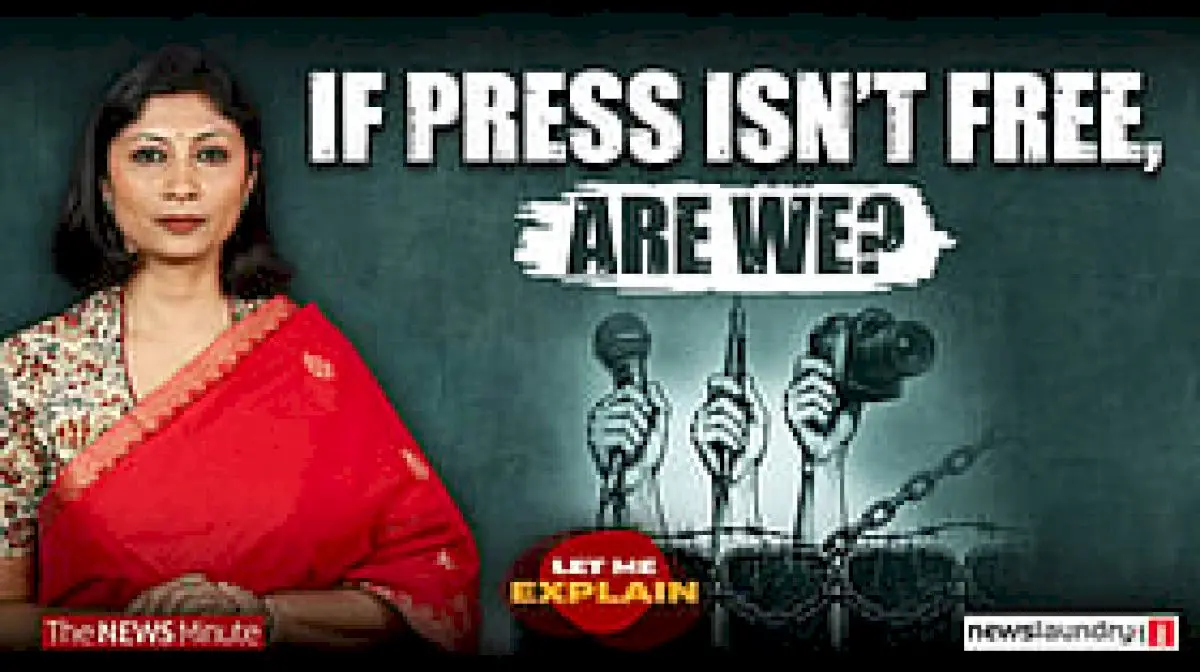
The News Minute argues that India’s freedom struggle was also a battle for control over information. Newspapers led by figures such as Mahatma Gandhi, B R Ambedkar, Bal Gangadhar Tilak and Maulana…
The Story in Brief
The News Minute argues that India’s freedom struggle was also a battle for control over information. Newspapers led by figures such as Mahatma Gandhi, B R Ambedkar, Bal Gangadhar Tilak and Maulana Azad challenged colonial rule and helped build political consciousness. The article recalls restrictions including the Vernacular Press Act of 1878 and the Press Act of 1910.
After Independence, it says, journalism’s task shifted from challenging colonial power to scrutinising Indian governments. It cites reporting on the Mundhra scandal, the Bhagalpur blindings and the Harshad Mehta-linked stock market irregularities. Press freedom, protected through Article 19(1)(a), is presented as a citizen’s right to know, question and participate in public life.
The Indian Opinion
The easy story is that every criticism of the press is censorship, or that every media house is merely a mouthpiece. Both claims flatten a real problem. Journalism has exposed wrongdoing, but it also needs accuracy, independence from owners and scrutiny of its own errors. The useful test is practical: can a newsroom investigate those in power, including its patrons, and publish evidence without fear?
Source: thenewsminute.com
This story was synthesised by AI from the source linked above.